Saint Paul: A Damascus Road Encounter That Changed His Life
The story of Saint Paul the Apostle, a persecutor of Jesus' followers whose life changed direction after meeting the Risen Christ on the road to Damascus.
Bless someone else by sharing this story.
Free to copy and share. Please credit lightofsaints.com.
Paul was utterly convinced that he was defending God. In his defense recorded in the Acts of the Apostles, he calls himself a Jew born in Tarsus in Cilicia. He was brought up in Jerusalem, educated strictly in the ancestral law under Gamaliel, and zealous for God. Today the Church honors him as a saint and apostle, and even celebrates a special feast for his conversion.
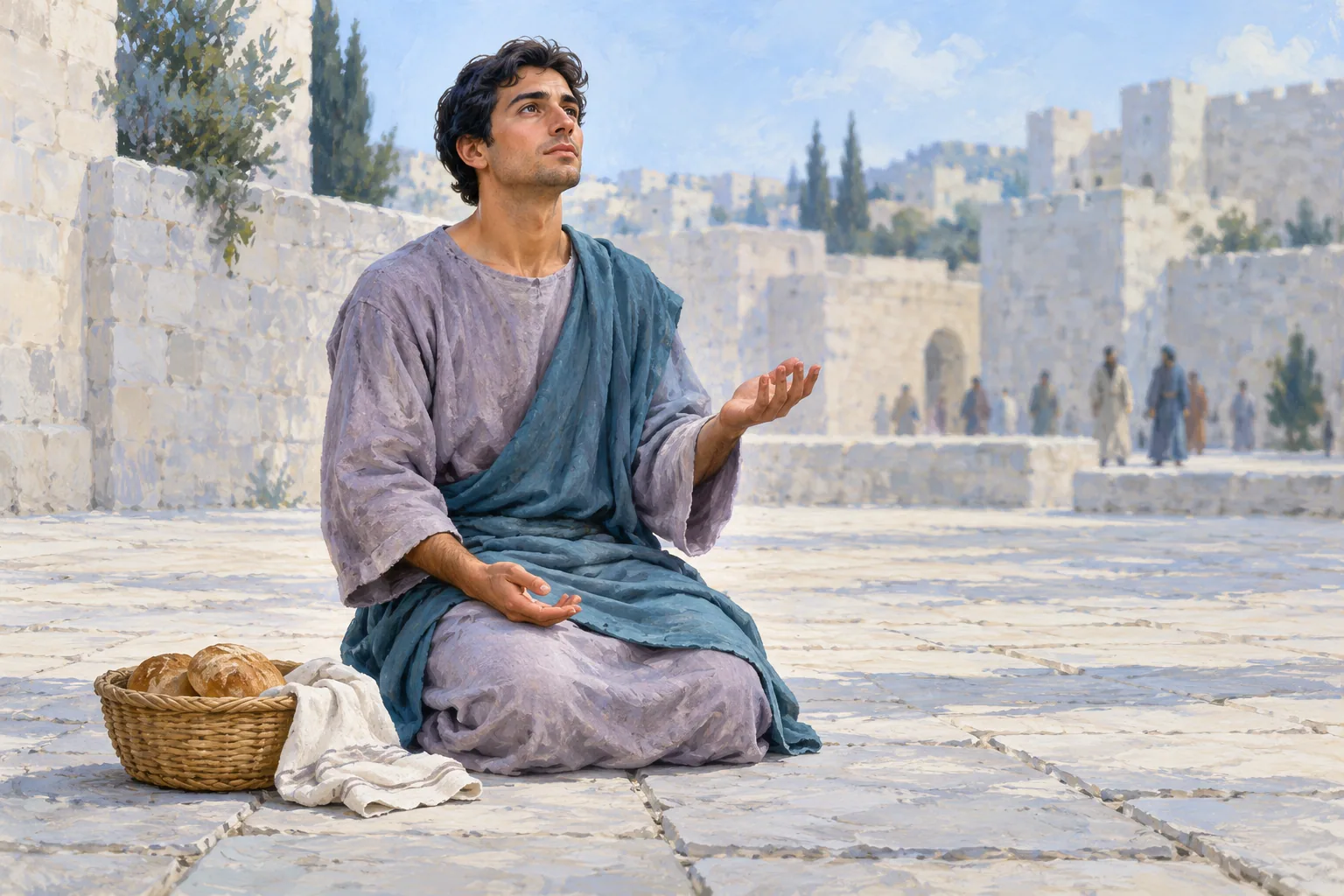
Yet that zeal drove him to hunt down the followers of Jesus, who at that time were called followers of the Way. Paul himself admitted that he persecuted them to death. He bound men and women and handed them over to prison. According to Acts 9, Saul, the name that account uses for him, asked the high priest for letters of authority to the synagogues in Damascus. He wanted to bring the followers of the Way from there to Jerusalem in chains.
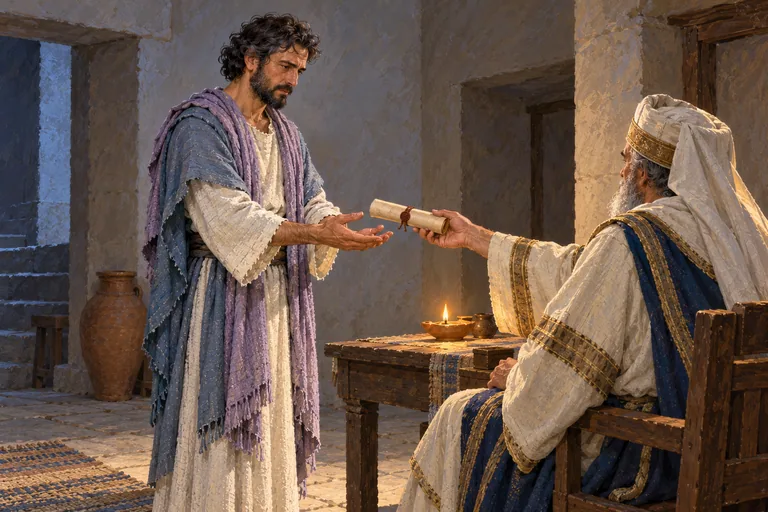
The journey to Damascus instead became the turning point of his life. Pope Benedict XVI estimates that this event took place at the beginning of the 30s in the first century. The Acts of the Apostles recounts that as Saul was nearing the city, a light from the sky suddenly flashed around him. He fell to the ground and heard a voice asking why Saul was persecuting him. The voice identified itself as Jesus, whom Saul was persecuting.
In his letters, Paul does not describe that event in detail. He simply testifies that the Risen Christ also appeared to him. Benedict XVI interprets its core this way: Paul was transformed not by an idea but by an event, namely the presence of the Risen Christ. From then on, he considered as loss what had once been his greatest ideal.
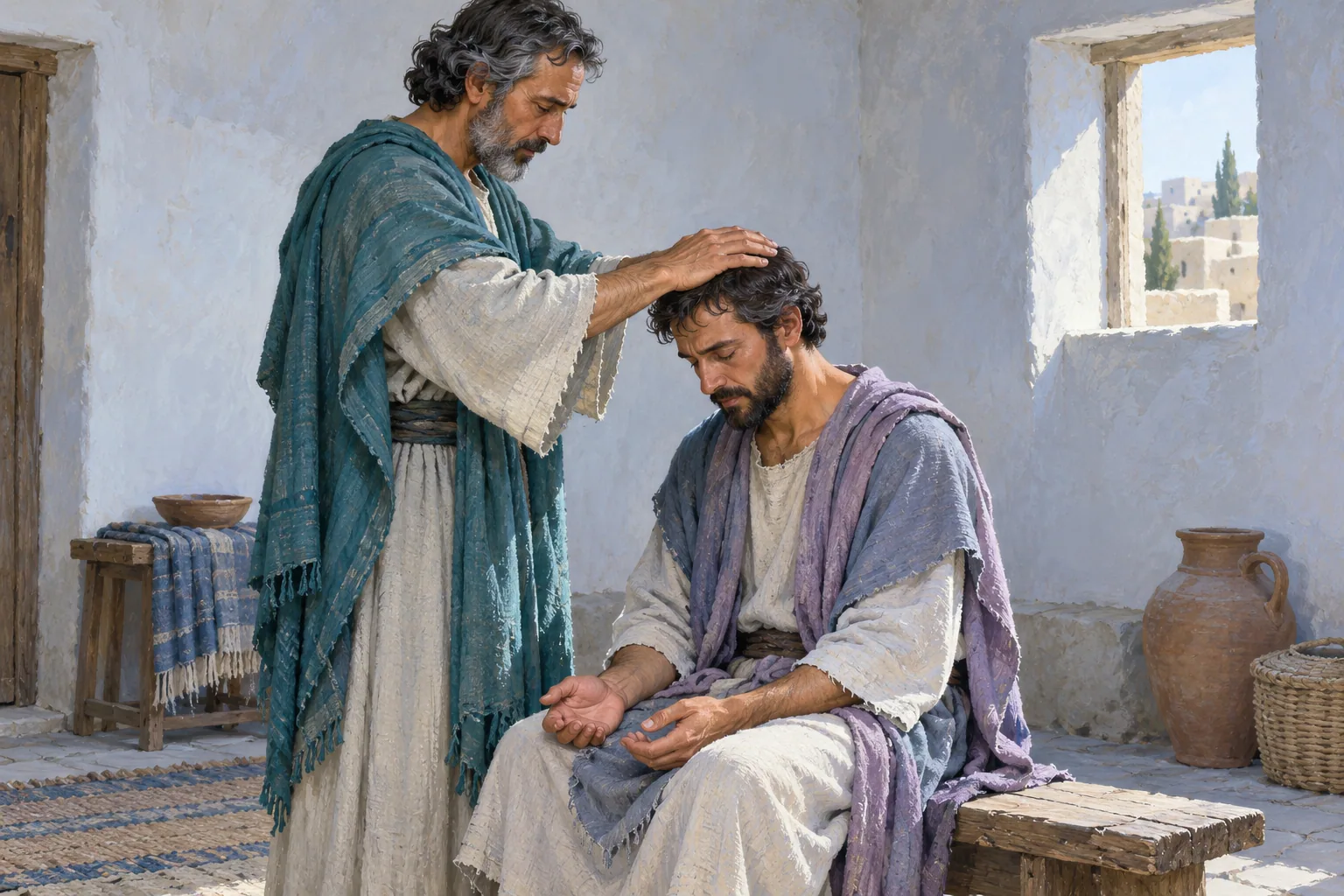
That change was not completed in an instant. Saul got up but could not see, so his companions led him to Damascus. For three days he was blind, and he neither ate nor drank. According to the account, he was praying when the Lord sent Ananias, a disciple in Damascus, to him.
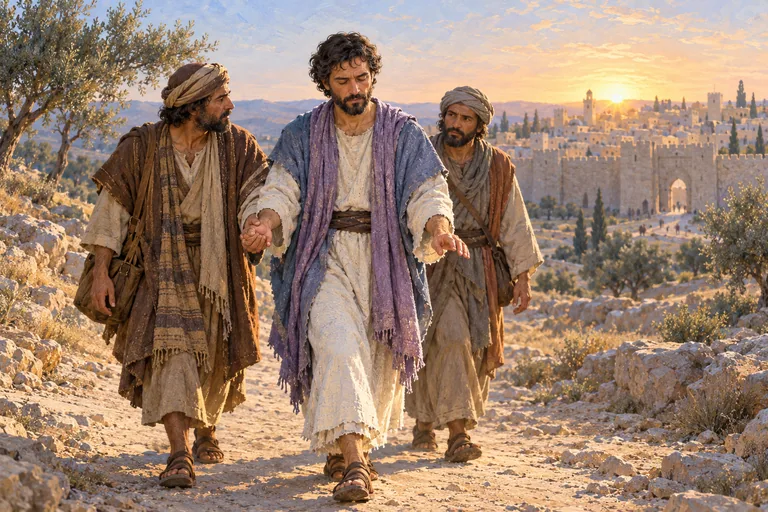
Ananias hesitated. He had already heard about the evil Saul had done to the faithful in Jerusalem. But the Lord called Saul his chosen instrument to carry his name to the Gentiles, kings, and the people of Israel. The Lord also declared that Saul would suffer for his name. Ananias then laid his hands on Saul and addressed him as brother. Saul could see again, and then he was baptized.
Benedict XVI sees that baptism as Saul's definitive yes to Christ. He also stresses that although Paul encountered the Risen One directly, he still had to enter into communion with the Church, be baptized, and live in harmony with the other apostles.
The results soon became clear. After staying some days with the disciples in Damascus, Saul began proclaiming in the synagogues that Jesus is the Son of God. Those who heard him were astonished, because they knew he had once persecuted those who called upon that name. The man who had come to put people in chains was now bearing witness.
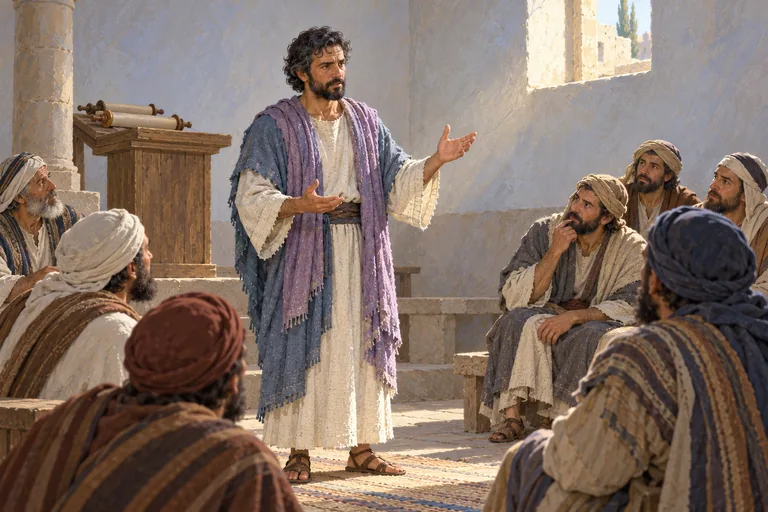
According to Benedict XVI, the Acts of the Apostles and Paul's letters agree that the Risen Christ called him to be an apostle and a witness of the Resurrection. His specific task was to proclaim the Gospel to the Gentiles in the Greco-Roman world. Paul himself made that encounter with the Risen One the foundation of his apostolate and of his new life.
At a glance
- Remembered on
- 29 June
- Church status
- Saint and apostle; the Church celebrates the Feast of the Conversion of Saint Paul, Apostle, in the liturgical calendar. bible.usccb.org
- Origin
- A Jew born in Tarsus in Cilicia, brought up in Jerusalem. bible.usccb.org
- Education
- Educated strictly in the ancestral law under Gamaliel, according to his testimony in the Acts of the Apostles. bible.usccb.org
- Turning point
- The encounter on the road to Damascus, which Pope Benedict XVI estimates took place at the beginning of the 30s in the first century. vatican.va
- Mission
- Apostle and witness of the Resurrection, with the specific task of proclaiming the Gospel to the Gentiles. vatican.va
Bring this story into your prayer.
Context & sources
General Audience of September 3, 2008: opening paragraph; paragraph about Luke's account; opening paragraph (referring to Phil 3:7-8); paragraph about Paul's letters (1 Cor 15:8); quotation of Gal 1:15-17; paragraph about the agreement of the two kinds of sources; the same paragraph
Official holy-see source from vatican.va, supplied in the approved brief. Official site of the Holy See; paraphrase and link, quotations within limits. Research snapshot; rights and final paraphrase require human review.
Title of the daily readings page for January 25, 2021; Reading I, Acts 22:3; Reading I, Acts 22:4; Alternative Reading I, Acts 9:1-2; Alternative Reading I, Acts 9:3-5; Alternative Reading I, Acts 9:8-9; Alternative Reading I, Acts 9:11; Alternative Reading I, Acts 9:13; Alternative Reading I, Acts 9:15-16; Alternative Reading I, Acts 9:17-19; Alternative Reading I, Acts 9:19-21
Official bishops-conference source from usccb.org, supplied in the approved brief. USCCB copyright; paraphrase and link. Research snapshot; rights and final paraphrase require human review.
Free to copy and share. Please credit lightofsaints.com. Copyright