All Saints' Day: Why November 1 Is About You Too
On November 1 the Church honors all the saints, including those whose names we have never heard, and invites you to be holy too.
Bless someone else by sharing this story.
Free to copy and share. Please credit lightofsaints.com.
Key idea
The Solemnity of All Saints honors a great multitude of people who live with God, most of them unnamed, and reminds us that holiness is everyone's calling, not just a few famous figures'.
The Catholic Church celebrates the Solemnity of All Saints every November 1. On this day the Church honors all the saints together: the canonized saints, and the many others never beatified or canonized. The feast is also a reminder that everyone is called to be holy.
From Halloween to November 1
Every October 31, people in many countries dress up as ghosts, witches and skeletons. It's called Halloween. Fewer people know where the name comes from: All Hallows' Eve, the night before the feast of All Saints. In older English, "hallows" means holy, and "e'en" is a shortened form of "evening".
So why is Halloween all about ghosts? In Catholic tradition, ghosts and ghoulish faces were meant as reminders of death and the last things: death, judgment, heaven and hell. Near the end of the liturgical year the Church turns to those last things, and on November 2 it prays for all the faithful departed. Some also link Halloween to earlier pagan new year celebrations. Over time the secular world embraced the night, and its spooky side is what most people know today.
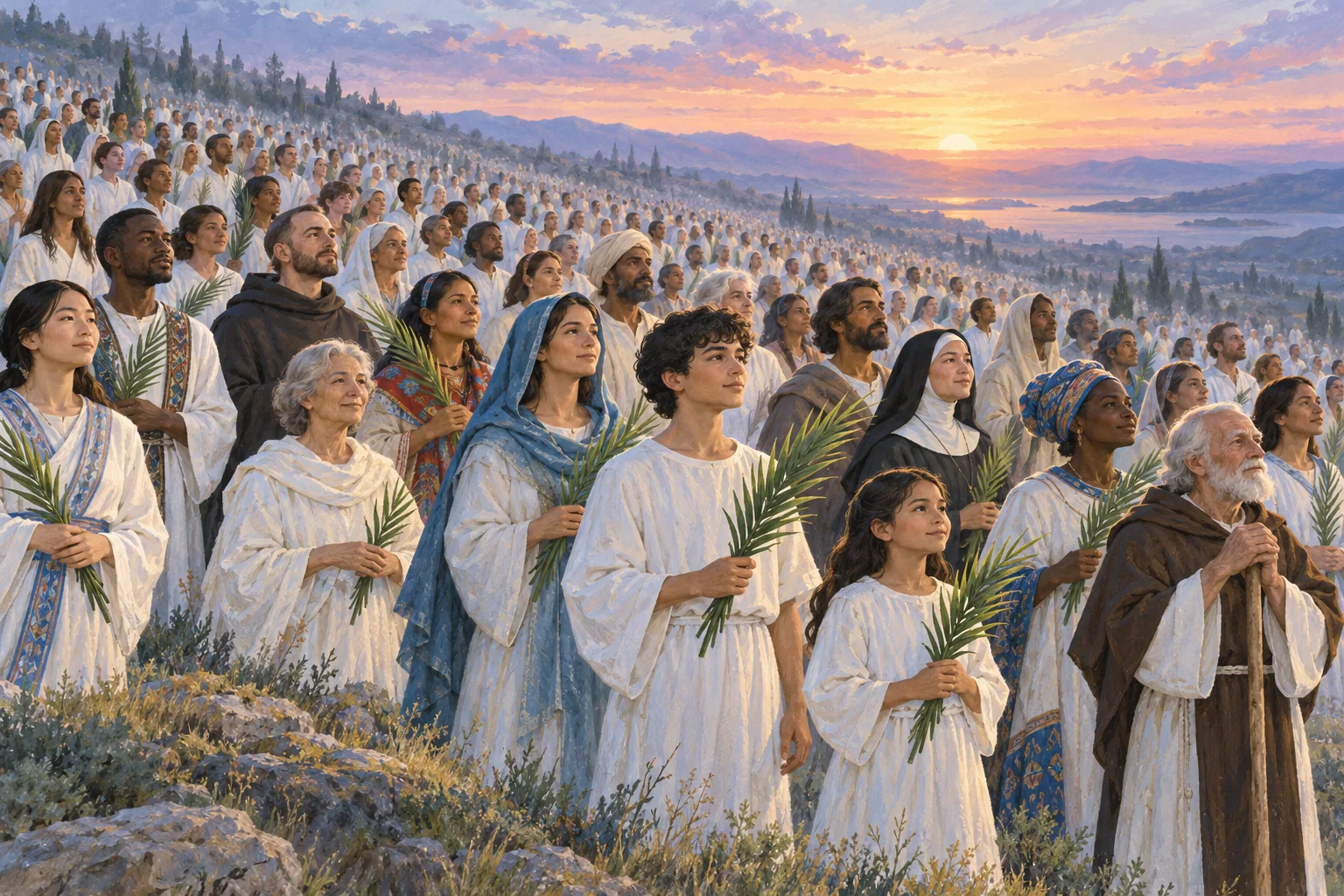
What the Church celebrates the next day, November 1, isn't ghosts. It is the great multitude who already live with God, as the Book of Revelation describes them.
After this I had a vision of a great multitude, which no one could count, from every nation, race, people, and tongue. (Revelation 7:9)
Solemnity of All Saints: Mass readings for November 1, 2026
That verse is the first reading at Mass on the Solemnity of All Saints. Not ten people, not a hundred, but a multitude no one could count.
The history of All Saints' Day
From the first centuries, Christians remembered the martyrs, the people who died for their faith. Over time the remembrance grew to include all the saints. A shared feast began in the Eastern Church in the 4th century and was then kept on different dates: May 13 in Rome, and November 1 in England and Ireland from the 8th century. From the 9th century, Rome adopted November 1 as well.
One building still carries this history. In 609, Pope Boniface IV consecrated the Pantheon in Rome, one of Rome's oldest and most famous monuments, and dedicated it to the Virgin Mary and all the martyrs. It was renamed Sancta Maria ad Martyres, Saint Mary and the Martyrs.
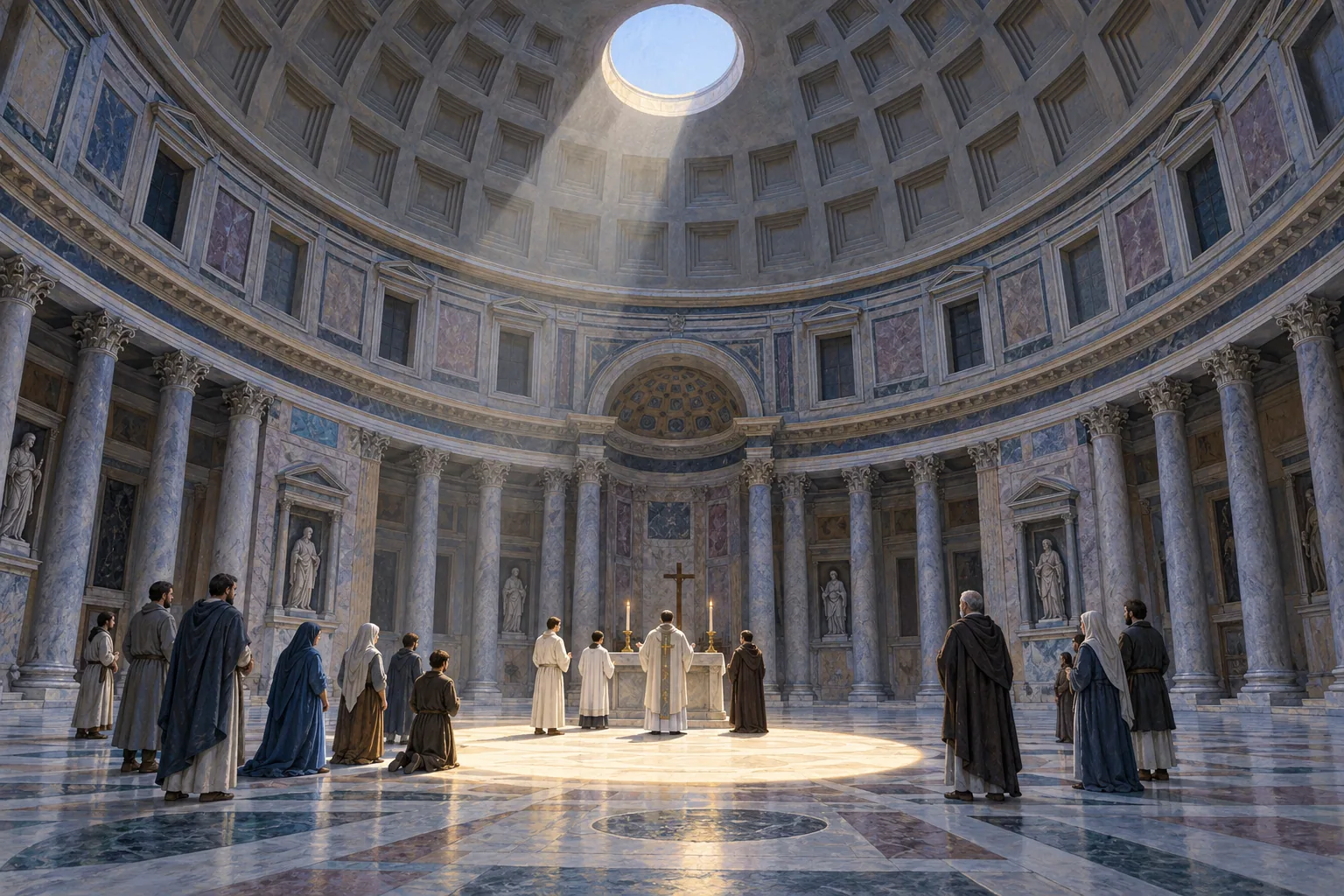
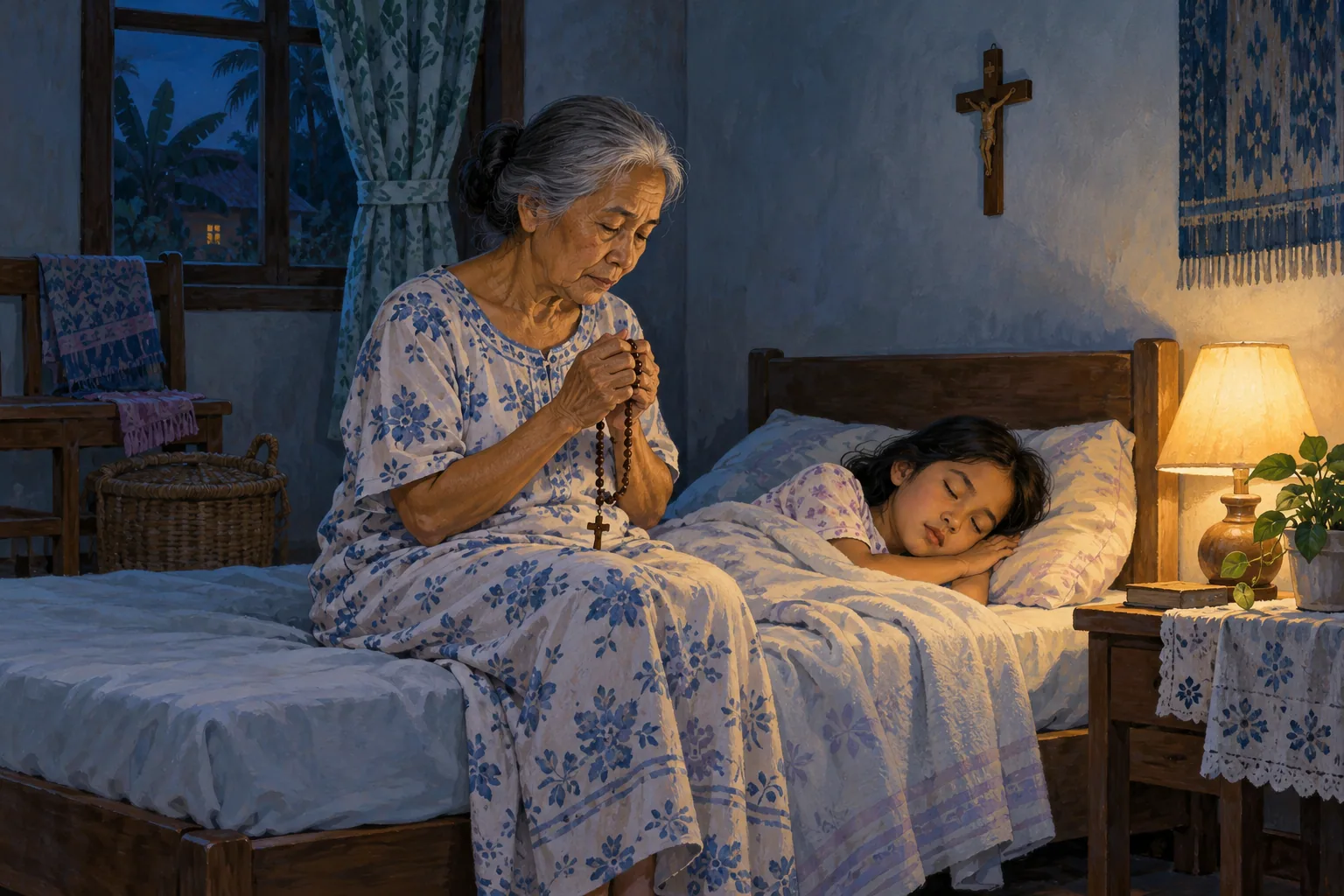
The feast isn't only for the names we know. Pope Francis asks us not to think only of those already beatified or canonized, because the Holy Spirit gives holiness in abundance among God's people. Perhaps among them is a grandmother who prayed for her grandchildren every night, or a teacher who quietly helped a student pay school fees.
Saints were ordinary people
The word "saint" can make us picture a calm, perfect statue. Yet many were young: Carlo Acutis died at 15, Maria Goretti before she turned 12, and Thérèse of Lisieux at 24. Others had a dark past. Saul, later known as Paul, persecuted the followers of Jesus, and Augustine strayed in his youth and searched a long time before his baptism. Being a saint doesn't mean never falling. It means coming back to God.
Everyone is called to holiness
Holiness isn't only for famous figures. The Second Vatican Council teaches that every member of the faithful, whatever their state in life, is called to a full Christian life. In Gaudete et Exsultate, Pope Francis says holiness is very often found in our next-door neighbors, and writes:
We are all called to be holy by living our lives with love and by bearing witness in everything we do, wherever we find ourselves. (Gaudete et Exsultate 14)
Pope Francis, Apostolic Exhortation Gaudete et Exsultate, March 19, 2018
Holiness can grow at your desk, at work, and in the family group chat.
All Saints and All Souls
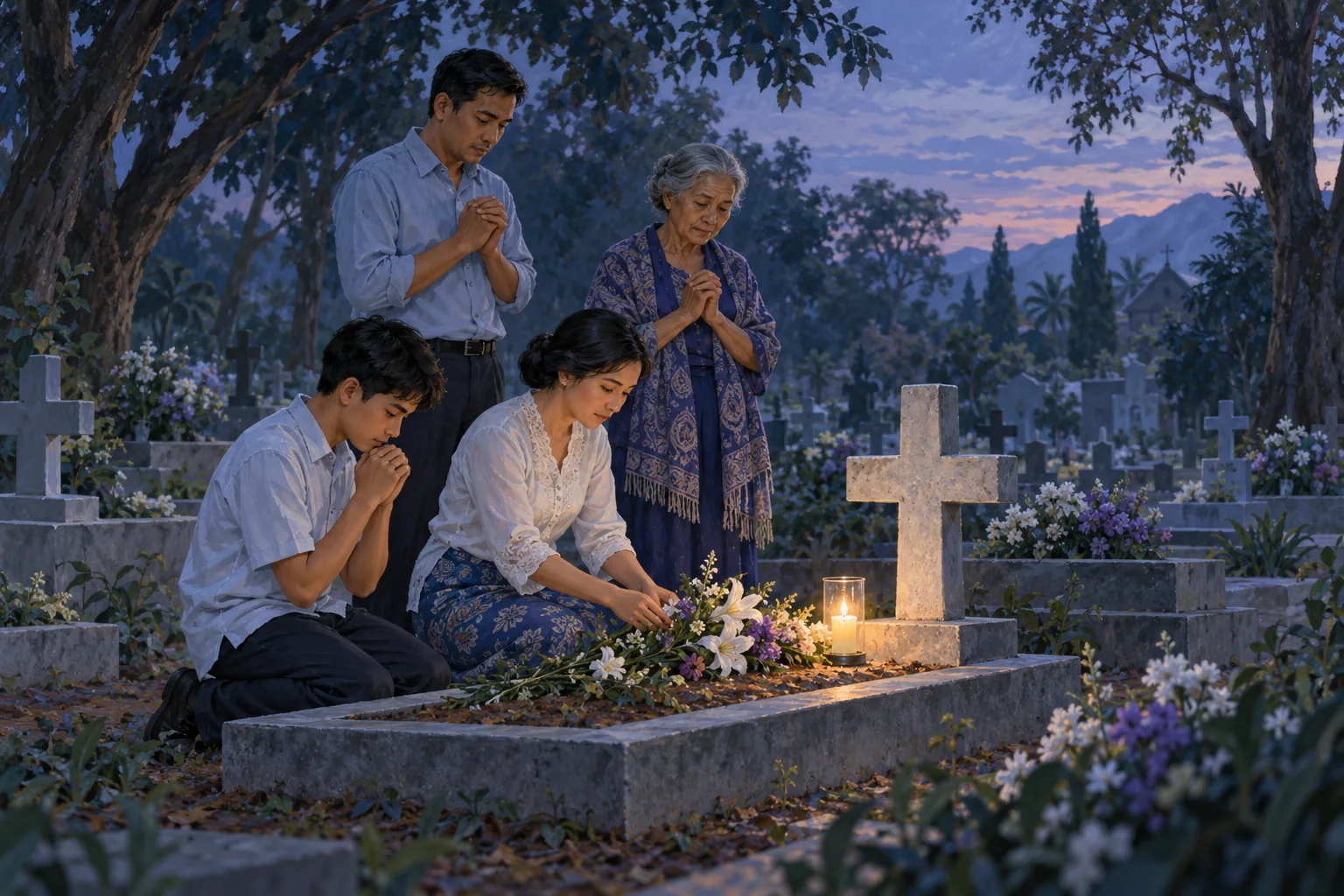
The two days are often mixed up. On November 1, the Church rejoices in those who already live with God and asks for their prayers. On November 2, All Souls' Day, we are the ones who pray for all the faithful departed.
Saints reflect the light of Christ
The Gospel at Mass on All Saints is the Beatitudes (Matthew 5:1-12a), the path the saints walked. A few verses later, Jesus says:
You are the light of the world. (Matthew 5:14)
The Gospel of Matthew, chapter 5
The saints are not the source of that light, for Christ is the Light of nations. They are like windows that let his light through, so we can see the way.
That is what Light of Saints hopes to offer. It launched on the Solemnity of All Saints, November 1, 2026, to introduce the saints one by one, through their lives and prayers. We're starting with a few names, and among the saints there is still room for you.
A Light of Saints editorial reflection for the Solemnity of All Saints, drawn from the sources listed. Scripture and Church documents are quoted from the English texts at those sources. A saint is someone the Church declares to be living with God in heaven; that formal declaration is called canonization.
Bring this story into your prayer.
Context & sources
Vatican News, October 2019: the name comes from All Hallows' Eve; ghoulish images as reminders of death and the last things; embraced by the secular world
Cited as a factual source; the text belongs to its publisher.
USCCB, readings for November 1, 2026: Rev 7:2-4, 9-14; Mt 5:1-12a
Short quotation from the New American Bible (Revised Edition) on the USCCB website.
Vatican News: origins in the East, the May 13 and November 1 dates
Cited as a factual source; the text belongs to its publisher.
Pope Boniface IV consecrated the Pantheon in 609
Cited as a factual source; text © Libreria Editrice Vaticana.
The martyrs' feast extended to all the saints; the Pantheon, one of Rome's oldest and most famous monuments, named Sancta Maria ad Martyres; All Souls on November 2
Cited as a factual source; text © Libreria Editrice Vaticana.
Profile of Carlo Acutis: died October 12, 2006, aged 15; canonized September 7, 2025
Cited as a factual source; text © Libreria Editrice Vaticana.
Born October 16, 1890, died July 6, 1902; her forgiveness of the man who killed her
Cited as a factual source; text © Libreria Editrice Vaticana.
Thérèse died September 30, 1897
Cited as a factual source; text © Libreria Editrice Vaticana.
Thérèse was born January 2, 1873, in Alençon
Cited as a factual source; text © Libreria Editrice Vaticana.
USCCB, Acts 22:3-16: Paul persecuted the Way before the Damascus road
Cited as a factual source; the New American Bible (Revised Edition) text belongs to its publisher.
Augustine's search; baptism at the Easter Vigil of 387 in Milan by Bishop Ambrose
Cited as a factual source; text © Libreria Editrice Vaticana.
Nos. 1, 40 and 50
Cited and paraphrased from the English text on vatican.va; text © Libreria Editrice Vaticana.
Nos. 6, 7 and 14
Short quotation from the English text on vatican.va; text © Libreria Editrice Vaticana.
Mt 5:14
Short quotation from the New American Bible (Revised Edition) on the USCCB website.
Free to copy and share. Please credit lightofsaints.com. Copyright