All Souls' Day: Why Our Prayers Still Reach Those We Have Lost
Every November 2 the Church prays for all the faithful departed: where the day comes from, why we pray, and why love does not stop at the grave.
Bless someone else by sharing this story.
Free to copy and share. Please credit lightofsaints.com.
Key idea
On November 2 the Church prays for all the faithful departed, especially those still being purified, because love and prayer can reach beyond death, and because God forgets no one.
All Souls' Day, the Commemoration of All the Faithful Departed, is kept by the Catholic Church every November 2, the day after the Solemnity of All Saints. On this day the Church prays for all the faithful who have died, especially those still being purified before they see God. In 2026, November 2 falls on a Monday.
All Saints and All Souls
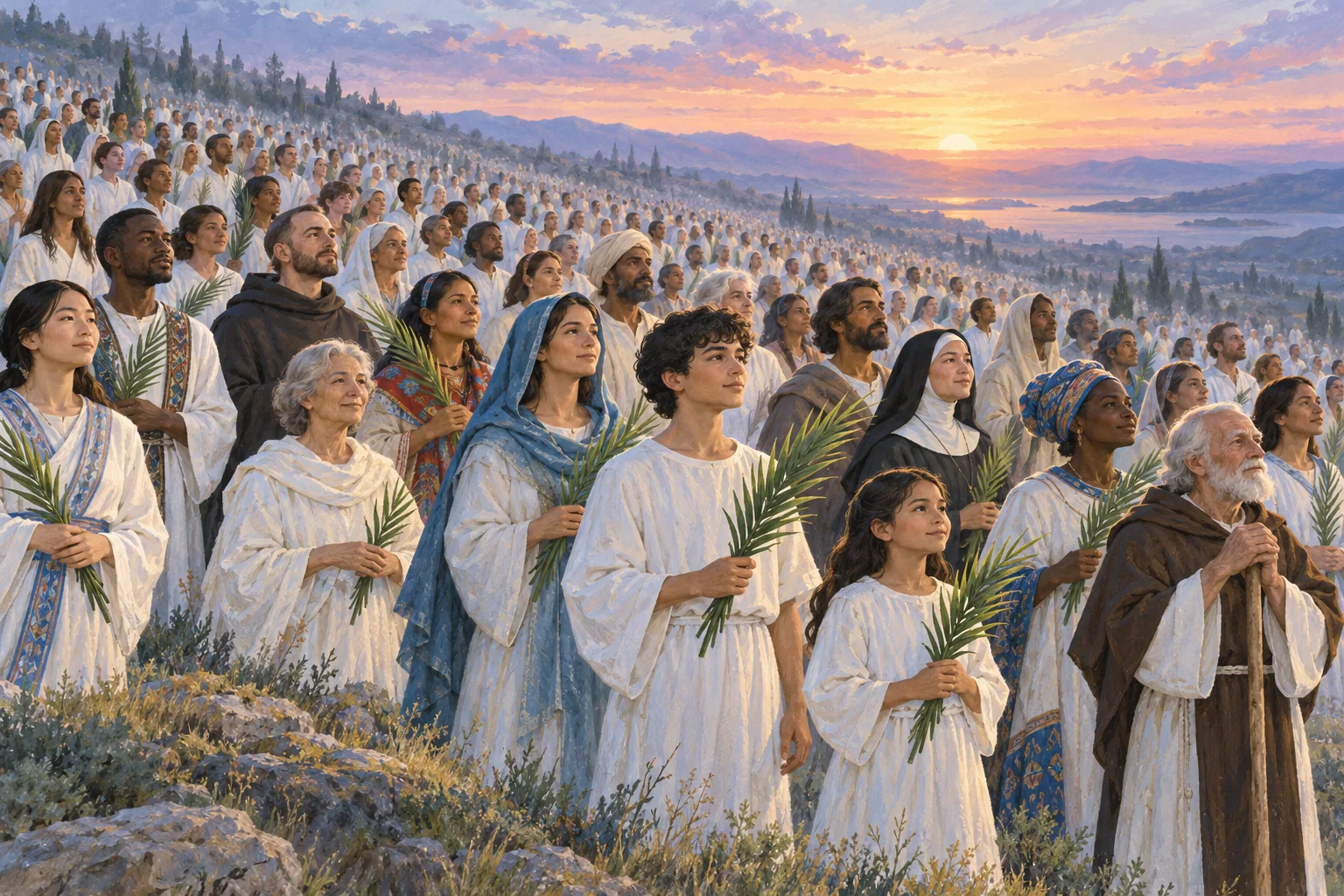
On November 1 the Church celebrates the saints who are already with God in heaven and who intercede for us. On November 2 it is our turn to pray for those who have gone before us: parents, grandparents, friends, and the people no one remembers anymore.
The history of All Souls' Day
Praying for the dead is far older than this day. Vatican News notes evidence that already in the 2nd century Christians prayed for their beloved dead and celebrated the Eucharist for them. They prayed on the third day after burial and on the anniversary of death; later the seventh and thirtieth days became days of prayer too.
November 2 became official in the year 998, when Saint Odilo, abbot of Cluny, made prayer for all the dead on the day after All Saints obligatory in every monastery under him. In 1998 Saint John Paul II wrote that the custom spread from Cluny to the whole Church.
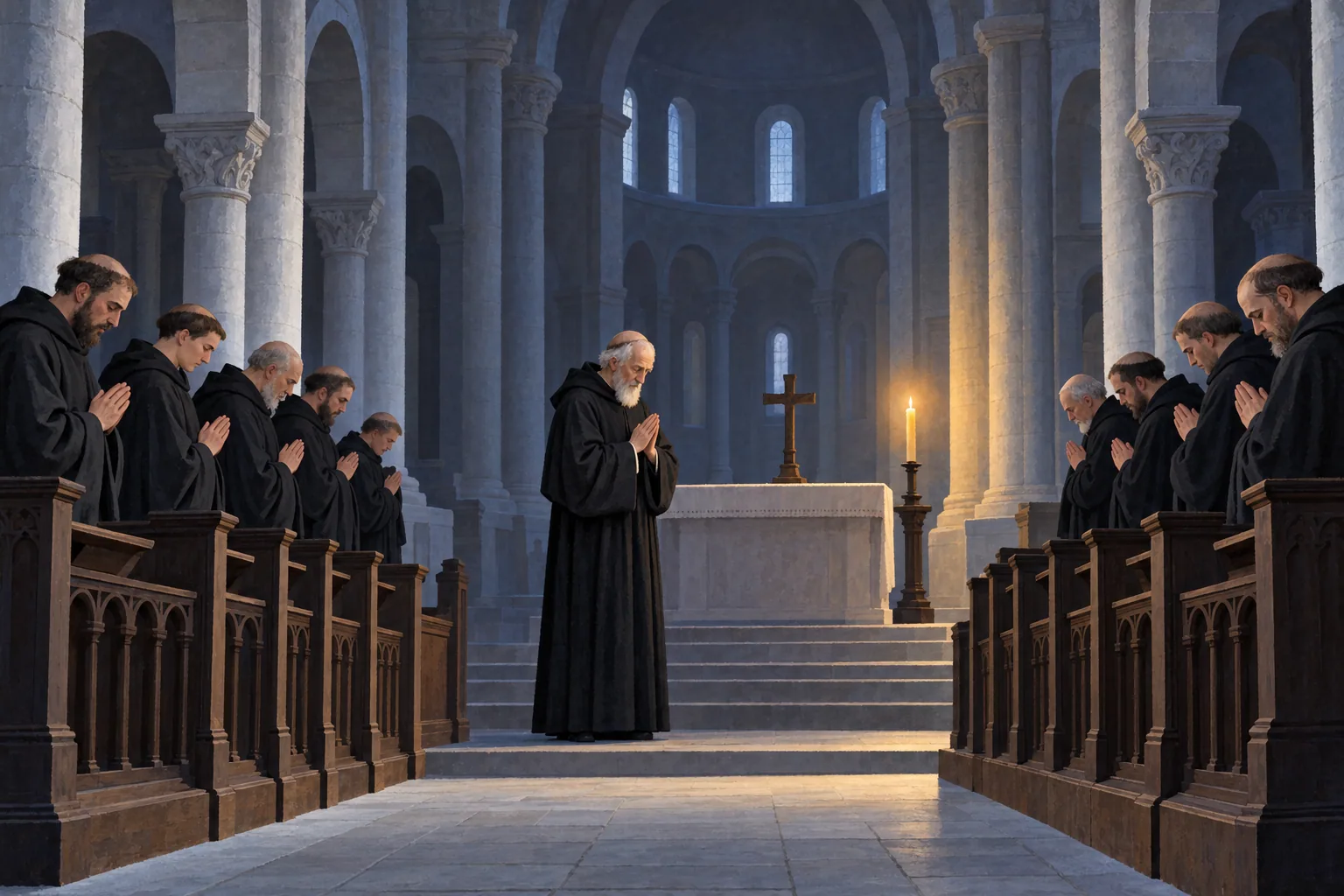
In 1915, Pope Benedict XV allowed priests to celebrate more than one Mass on this day. In 2020 the Apostolic Penitentiary again urged all priests to celebrate three Masses that day, following his constitution.
Why the Church prays for the dead
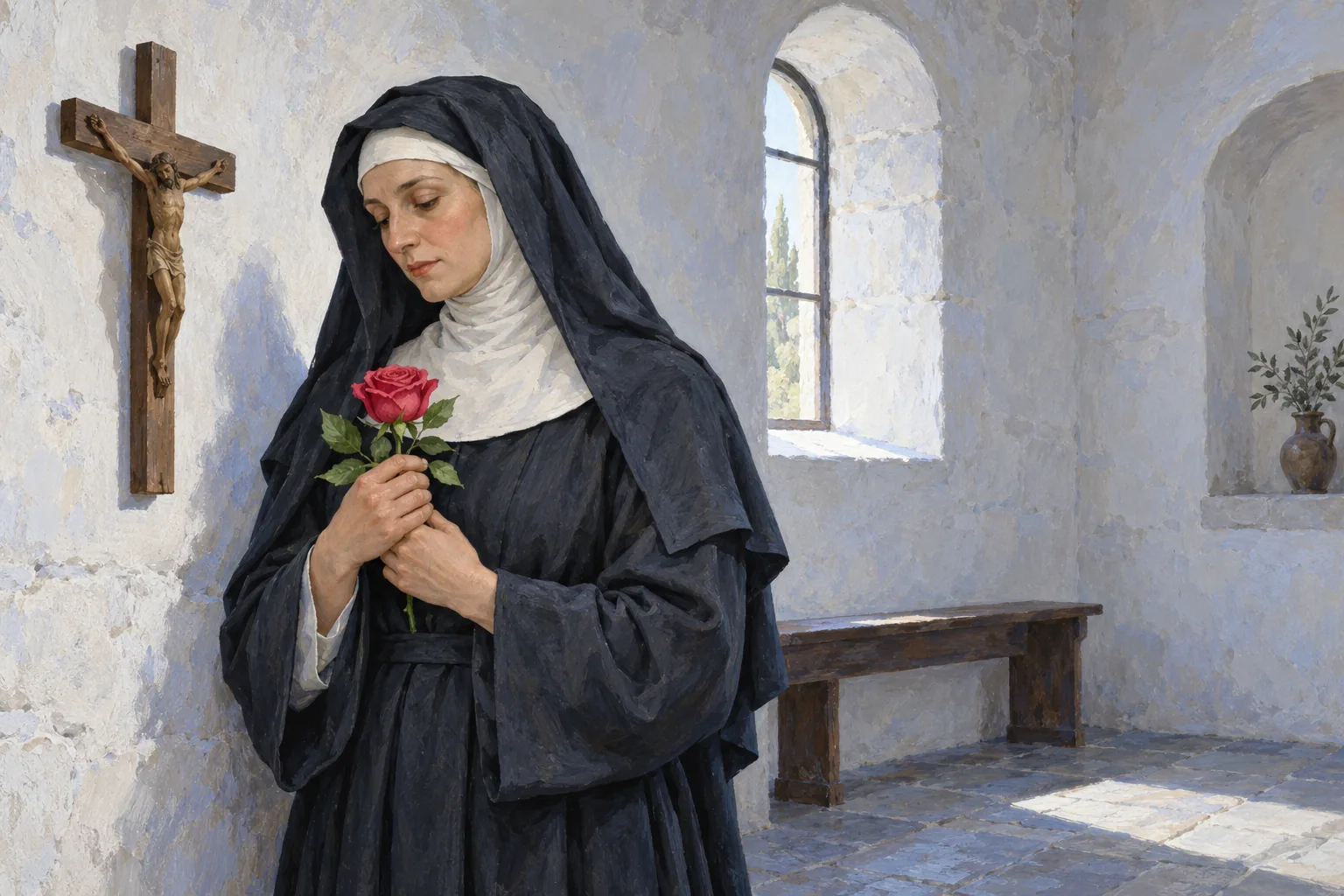
The Catechism of the Catholic Church teaches that those who die in God's grace but are still imperfectly purified are assured of their salvation. After death they are purified, to achieve the holiness needed to enter the joy of heaven. The Church calls this final purification Purgatory, and it is entirely different from the punishment of the damned.
Prayer for the dead is rooted in Scripture. The Second Book of Maccabees tells how Judas Maccabeus made atonement for the dead, that they might be delivered from their sin (2 Maccabees 12:46). From the beginning the Church has prayed for the dead, above all in the Eucharist, and commends almsgiving, indulgences and penance for them.
Let us not hesitate to help those who have died and to offer our prayers for them. (Saint John Chrysostom, quoted in the Catechism, 1032)
Catechism of the Catholic Church 1030-1032: The final purification, or Purgatory
Pope Benedict XVI wrote that the souls of the departed can receive solace and refreshment through the Eucharist, prayer and almsgiving. He called the belief that love can reach into the afterlife a fundamental conviction of Christianity.
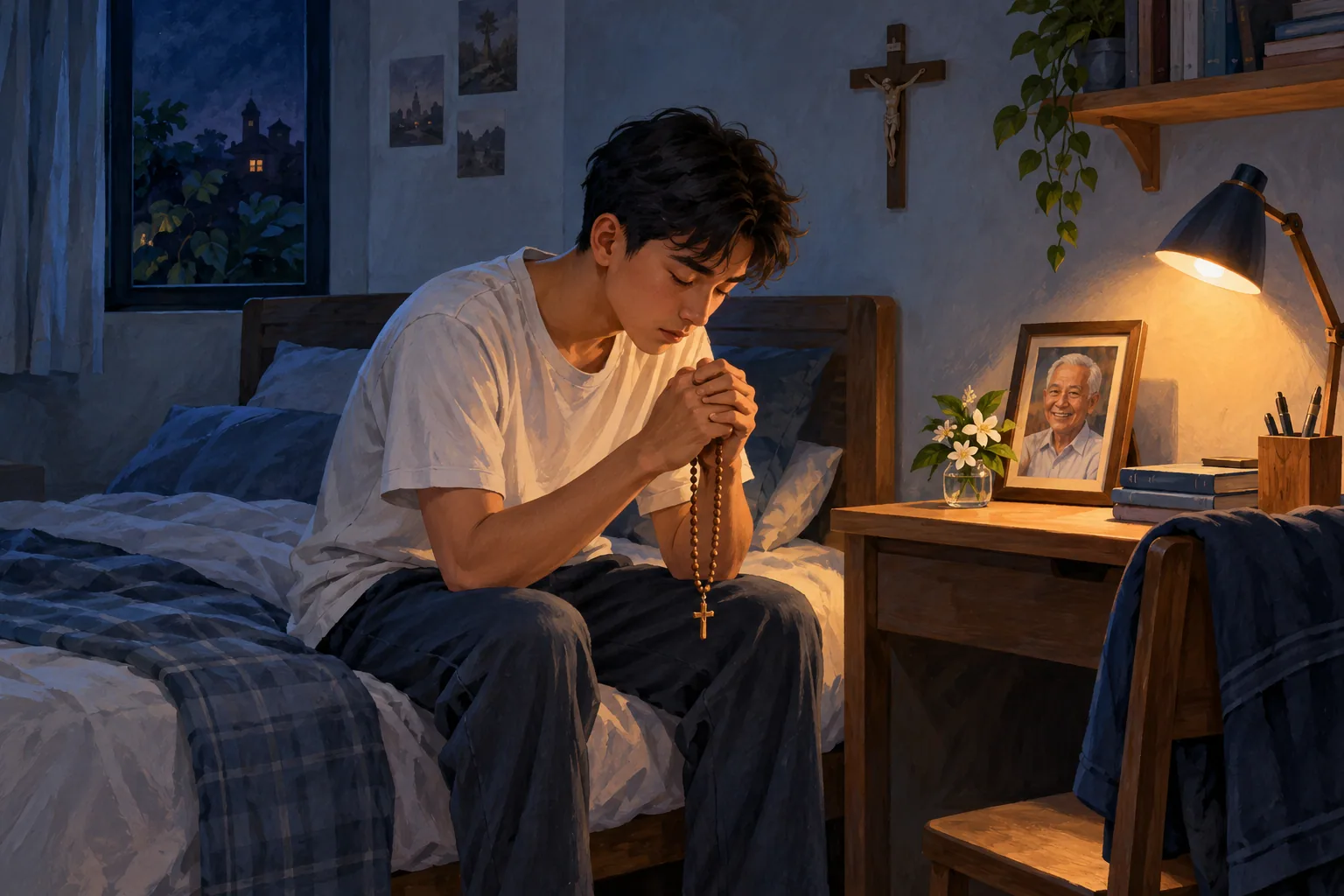
So my prayer for another is not something extraneous to that person, something external, not even after death. (Spe Salvi 48)
Benedict XVI, Encyclical Spe Salvi, 30 November 2007
Visiting cemeteries and the indulgence
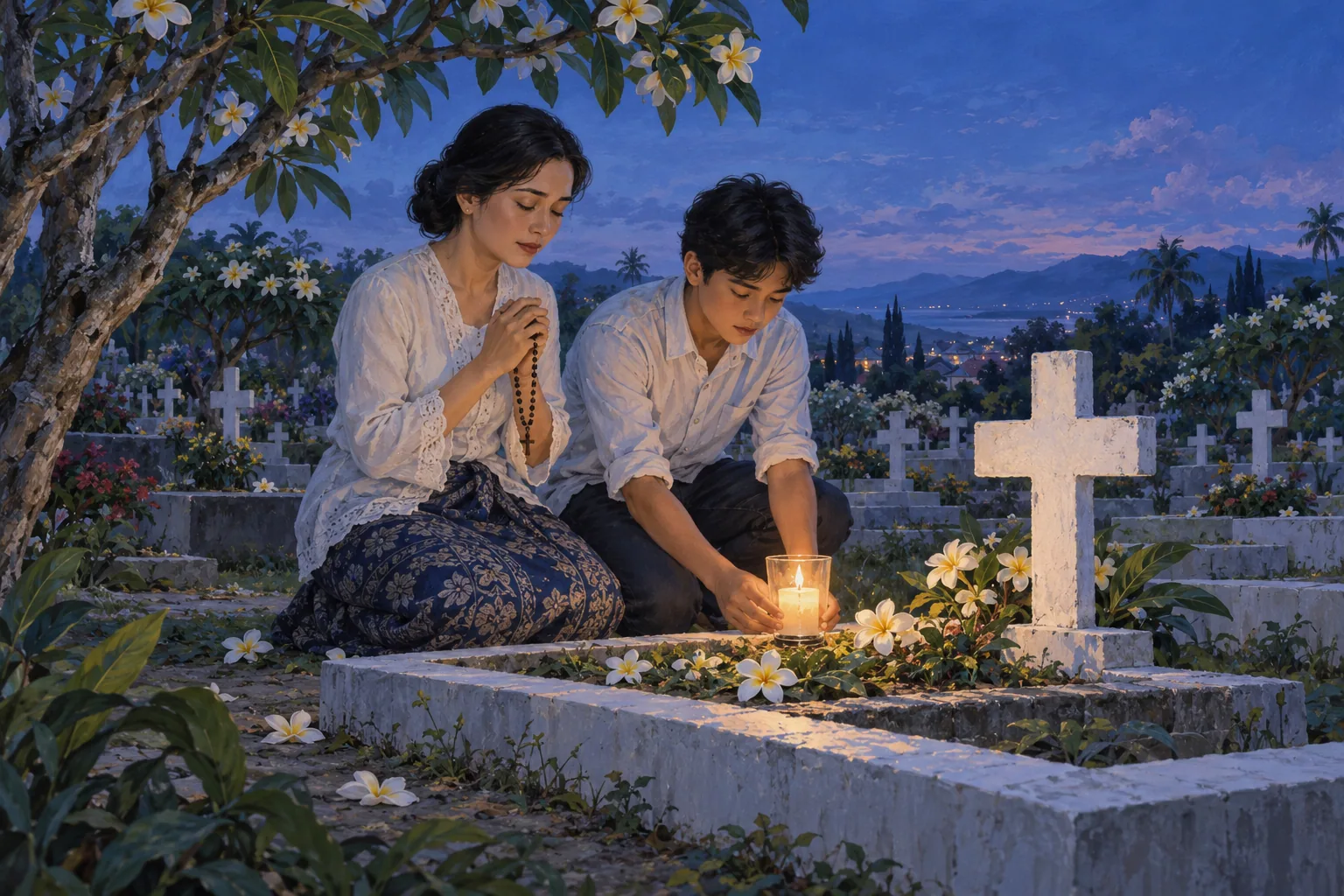
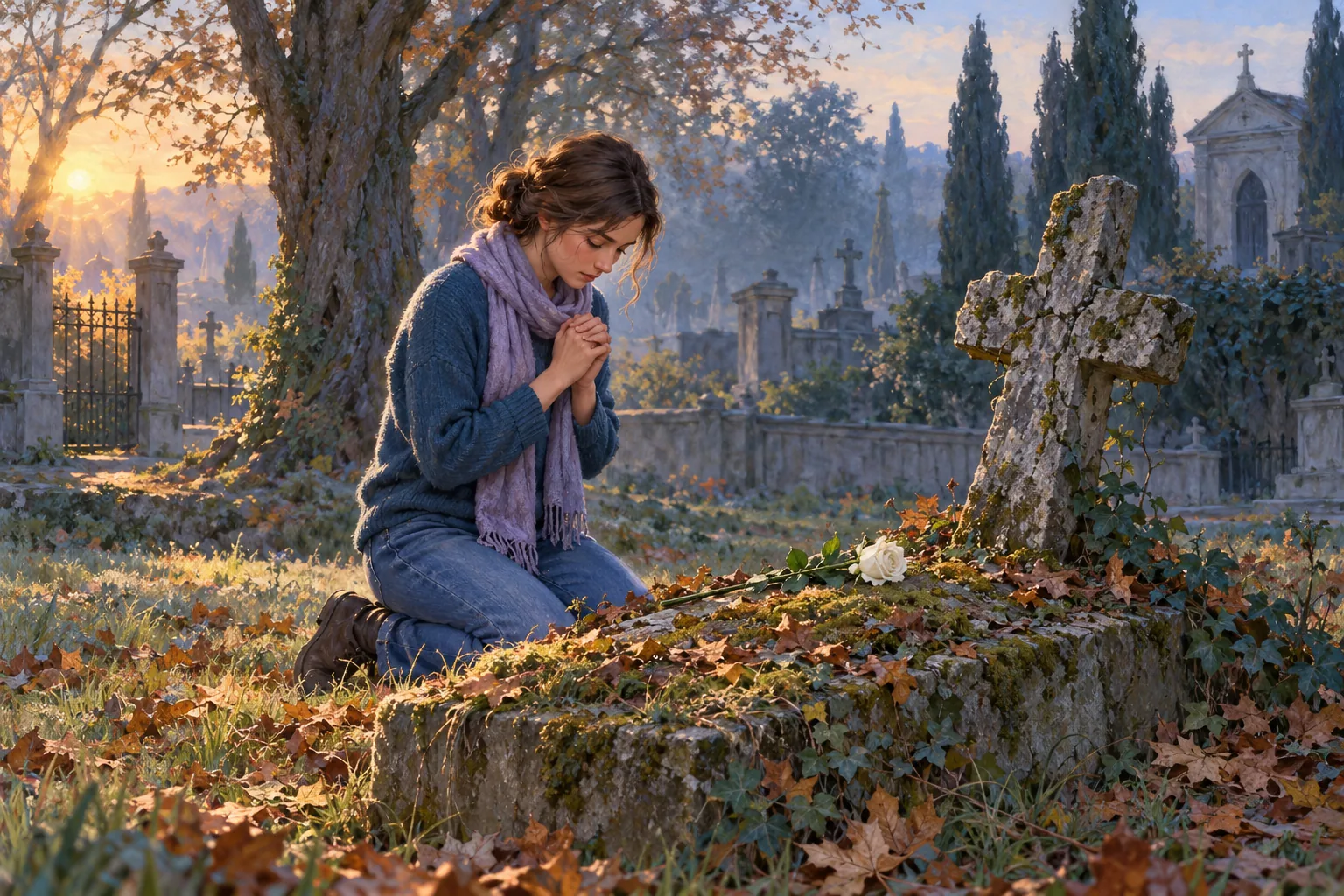
During these days, Pope Benedict XVI said, we go to the cemetery to pray for the loved ones who have left us. The visit shows our love and recalls the bond, in the communion of saints, between those still on earth and those who have gone before.
The Church also grants plenary indulgences applicable to the souls in Purgatory. Under the usual norms, one is granted from November 1 to 8 to those who visit a cemetery and pray for the dead, even if only mentally. On November 2 a plenary indulgence is also granted to those who piously visit a church or oratory and pray the Our Father and the Creed. The three usual conditions also apply: sacramental confession, Eucharistic communion, and prayer for the Holy Father's intentions.
Those no one remembers
On November 2, 2025, Pope Leo XIV said at the Angelus that every person is an entire world, and that in the mind of Jesus even those no one remembers, or whom history seems to have erased, keep their infinite dignity. He said he would visit his loved ones' graves in spirit and pray for those who have no one to remember them, because the Father forgets no one. That afternoon he celebrated Mass at Rome's Verano Cemetery. He is due back there on November 2, 2026.
A hope stronger than death
Today's first reading comes from the Book of Wisdom.
The souls of the just are in the hand of God, and no torment shall touch them. (Wisdom 3:1)
The Commemoration of All the Faithful Departed (All Souls): Mass readings for November 2, 2026
In the Gospel (John 6:37-40), Jesus says it is the Father's will that he lose nothing of all that the Father has given him, but raise it on the last day. So All Souls' Day is not gloomy. We pray with hope, in the Church's prayer:
Eternal rest grant unto them, O Lord, and let perpetual light shine upon them. May they rest in peace. Amen.
Commemoration of all the Faithful Departed (All Souls' Day)
A Light of Saints editorial reflection for the Commemoration of All the Faithful Departed, drawn from the sources listed. Scripture, Church documents and prayers are quoted from the English texts at those sources. Indulgences follow the Church's norms; ask your parish priest for the details.
Bring this story into your prayer.
Context & sources
Vatican News: prayer for the dead from the 2nd century (third day, anniversary, later seventh and thirtieth days); made official in 998 by Odilo of Cluny; Benedict XV in 1915; the Eternal rest prayer
Cited as a source of facts; the prayer is quoted briefly. The source text remains its publisher's.
No. 1: Odilo asked his monks to pray for all the dead on the day after All Saints; the custom spread from Cluny to the whole Church
Cited as a source of facts; the source text remains its publisher's.
A pandemic-era decree that also states the usual norms: cemetery visit November 1-8; church or oratory visit on November 2 with the Our Father and the Creed; the three usual conditions; priests invited to celebrate Mass three times (Incruentum Altaris, Benedict XV)
Cited as a source of facts; the source text remains its publisher's.
CCC 1030-1032, including 2 Macc 12:46 and the quotation from Saint John Chrysostom
Short quotation from the English text of the Catechism on the Holy See's website.
No. 48: solace and refreshment through the Eucharist, prayer and almsgiving; love reaching into the afterlife
Short quotation from the English text on the Holy See's website.
Going to the cemetery to pray for loved ones; the bond of the communion of saints
Cited as a source of facts; the source text remains its publisher's.
Each person an entire world; afternoon Mass at Verano; prayer for those with no one to remember them; the Father forgets no one
Cited as a source of facts; the source text remains its publisher's.
Mass at Verano Cemetery, Rome, 2 November 2025
Cited as a source of facts; the source text remains its publisher's.
Vatican News, October 2026: Mass on 2 November 2026 at Campo Verano Cemetery, as in 2025
Cited as a source of facts; the source text remains its publisher's.
USCCB, readings for November 2, 2026: Wis 3:1-9; Ps 23; Rom 5:5-11 or Rom 6:3-9; Jn 6:37-40
Short quotation from the New American Bible (Revised Edition) on the USCCB website.
Vatican News: the saints are with God in heaven and intercede for us
Cited as a source of facts; the source text remains its publisher's.
Free to copy and share. Please credit lightofsaints.com. Copyright