Elijah: Fire on Carmel, Silence on Horeb
In 1 Kings 17 – 2 Kings 2, the prophet Elijah challenges the prophets of Baal on Carmel, collapses exhausted in the desert, and meets the LORD on Horeb.
Bless someone else by sharing this story.
Free to copy and share. Please credit lightofsaints.com.
Key idea
The story of the prophet Elijah in 1 Kings 17 – 2 Kings 2 follows the prophet from Tishbe who foretells a drought, is helped by a widow in Zarephath, challenges the prophets of Baal on Mount Carmel, then flees in fear and meets the LORD on Horeb before being taken up to heaven. His story shows a God who calls his people back to himself and strengthens his weary prophet.
The story of the prophet Elijah in the Bible begins without any introduction. A prophet suddenly appears before the king of Israel: “Elijah the Tishbite, from Tishbe in Gilead, said to Ahab: "As the LORD, the God of Israel, lives, whom I serve, during these years there shall be no dew or rain except at my word."” (1 Kgs 17:1)
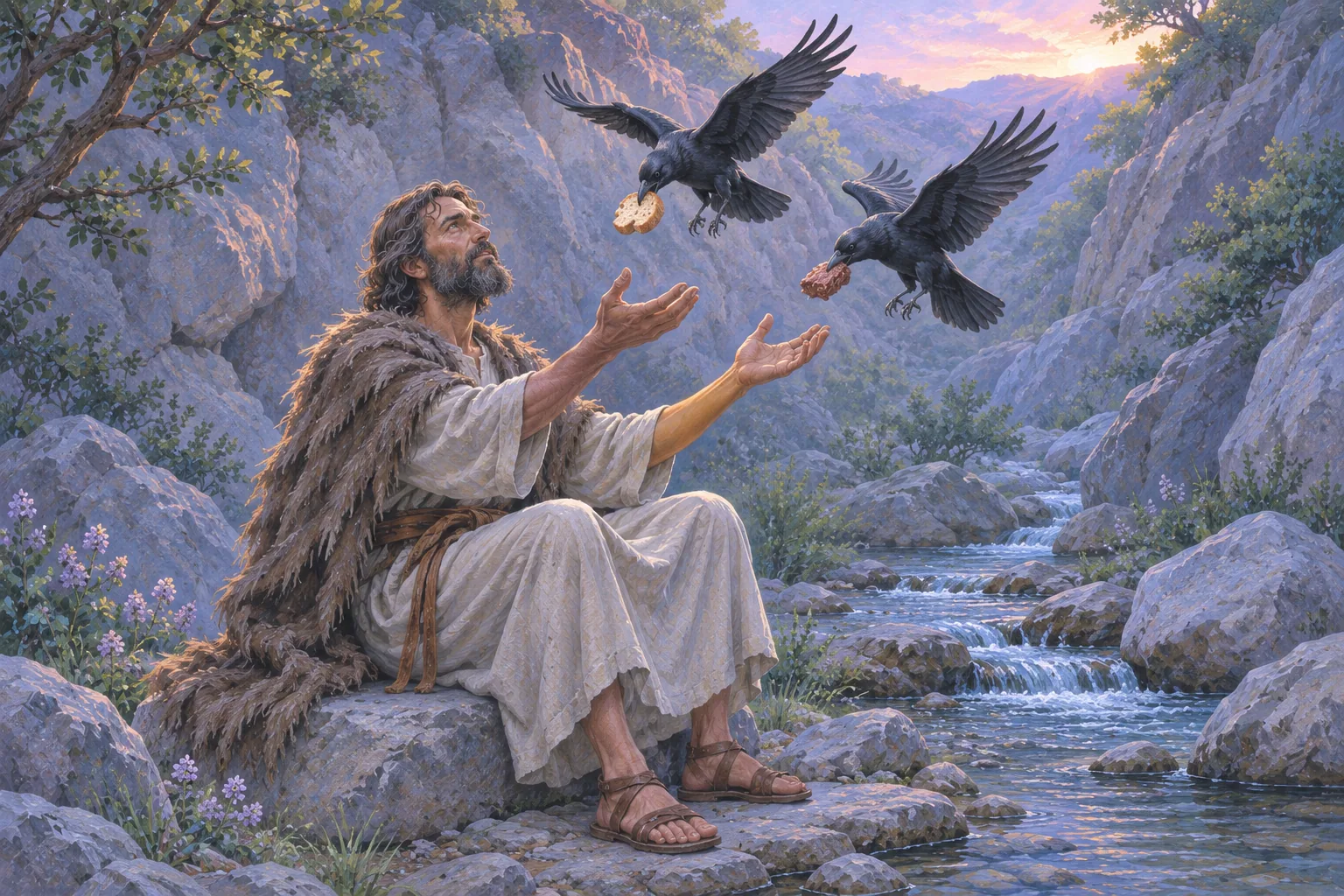
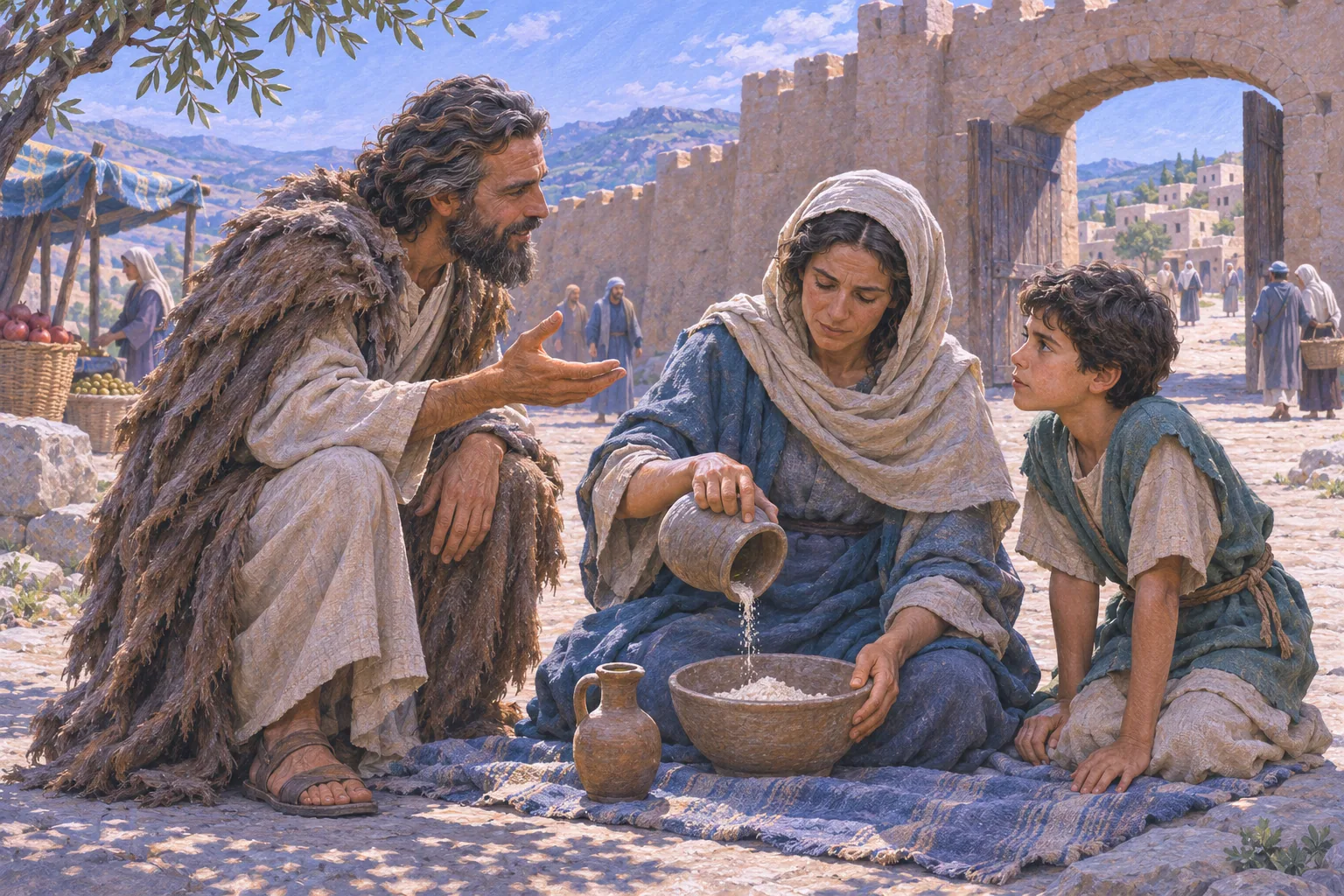
At the word of the LORD, Elijah hid by the Wadi Cherith, and ravens brought him bread and meat morning and evening. When the wadi ran dry, the LORD sent him to Zarephath in the region of Sidon. At the city gate he asked a widow for water and bread, but she had only a handful of flour and a little oil for a last meal with her son.
Elijah told her not to be afraid and to make bread for him first, for the LORD had said that the flour and oil would not run out until the rain came. Perhaps her hands hesitated as she poured out the last of the flour. Yet she did it, and the word proved true. Later her son fell so ill that he stopped breathing. Elijah called out to the LORD, the boy came back to life, and the widow acknowledged Elijah as a man of God.
In the third year the LORD told Elijah to present himself to Ahab. Through Obadiah, the master of the palace who feared the LORD, Ahab came to meet Elijah and called him the disturber of Israel. Elijah replied that it was Ahab and his family who had forsaken the LORD's commands, and he asked that all Israel, together with the four hundred fifty prophets of Baal and the four hundred prophets of Asherah, be gathered on Mount Carmel.
There Elijah asked the people how long they would go on straddling the issue, but the people said nothing. Two young bulls were laid on wood with no fire beneath; the god who answered with fire would be God. The prophets of Baal called out from morning until evening. Imagine the shouting growing louder beneath a sky that stayed silent. No one answered.
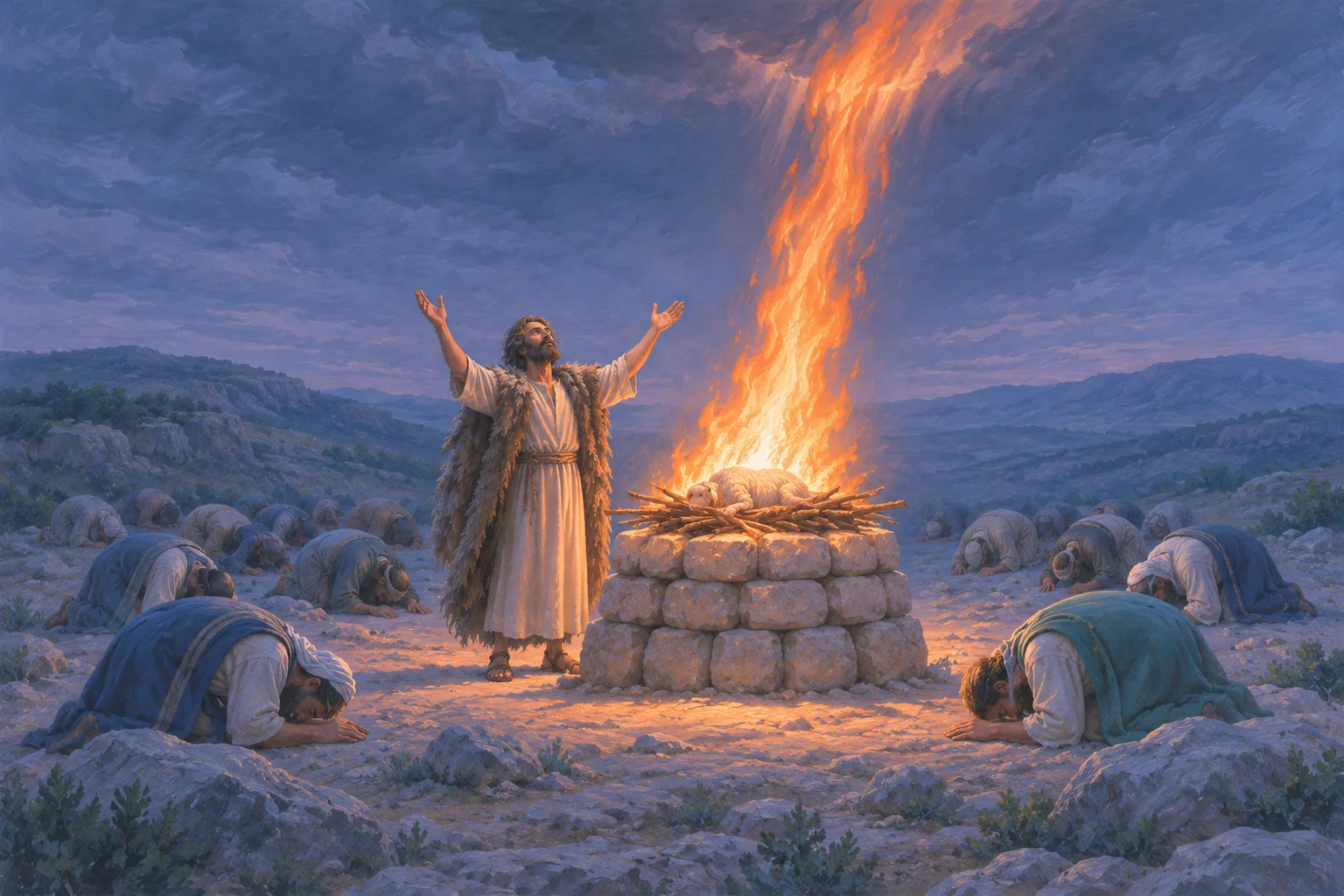
Elijah repaired the altar of the LORD with twelve stones, for the number of the tribes of the sons of Jacob, and had water poured over the offering until the trench was full. At the time of the evening offering he prayed that the people would know that the LORD is God, who was turning their hearts back to him.
“The LORD'S fire came down and consumed the holocaust, wood, stones, and dust, and it lapped up the water in the trench. Seeing this, all the people fell prostrate and said, "The LORD is God! The LORD is God!"” (1 Kgs 18:38-39) After that, at Elijah's command, the prophets of Baal were seized and put to death at the Wadi Kishon.
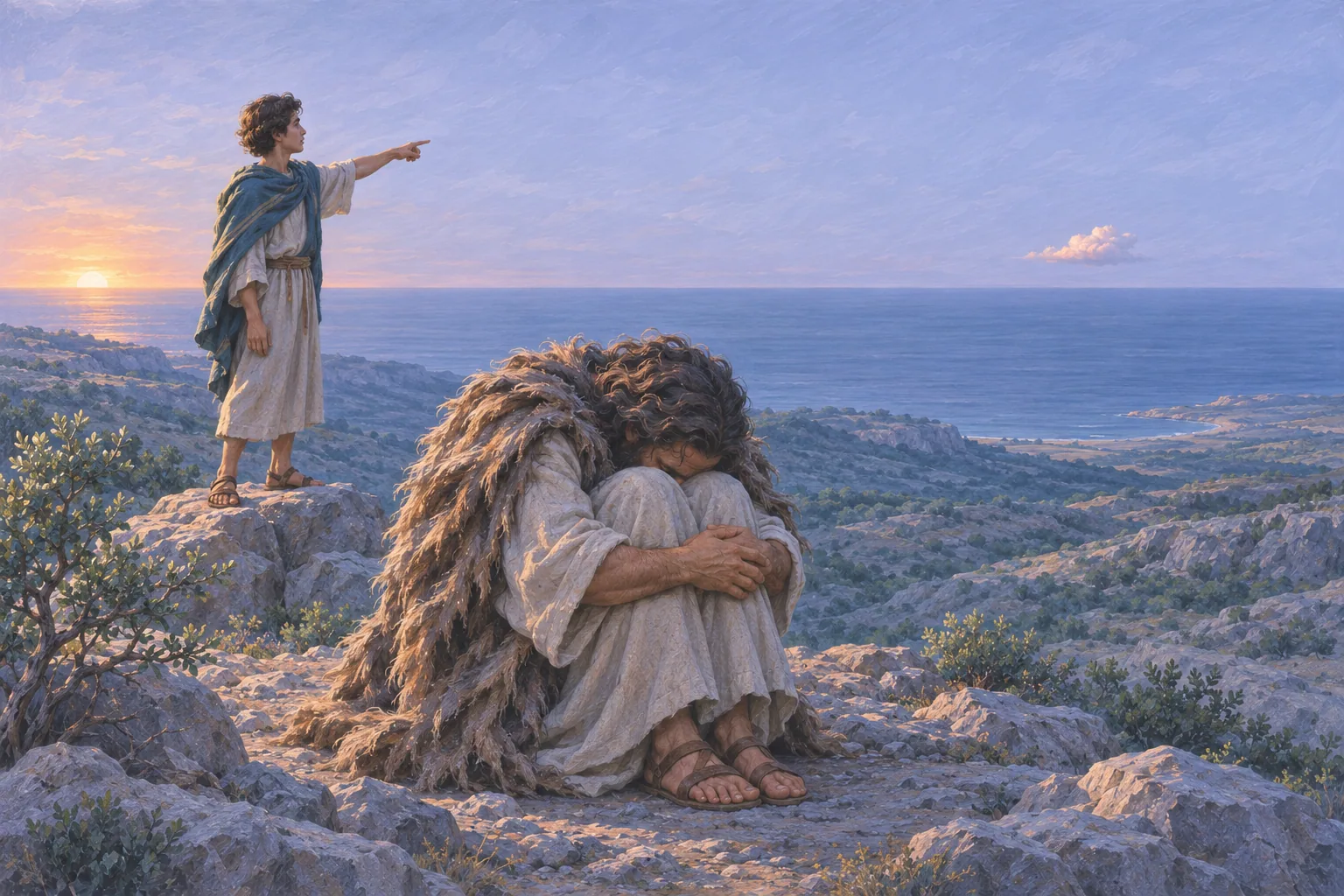
Then Elijah prayed on the summit of Carmel with his face between his knees. The seventh time his servant looked out toward the sea, a small cloud the size of a man's hand appeared, and soon a heavy rain fell.
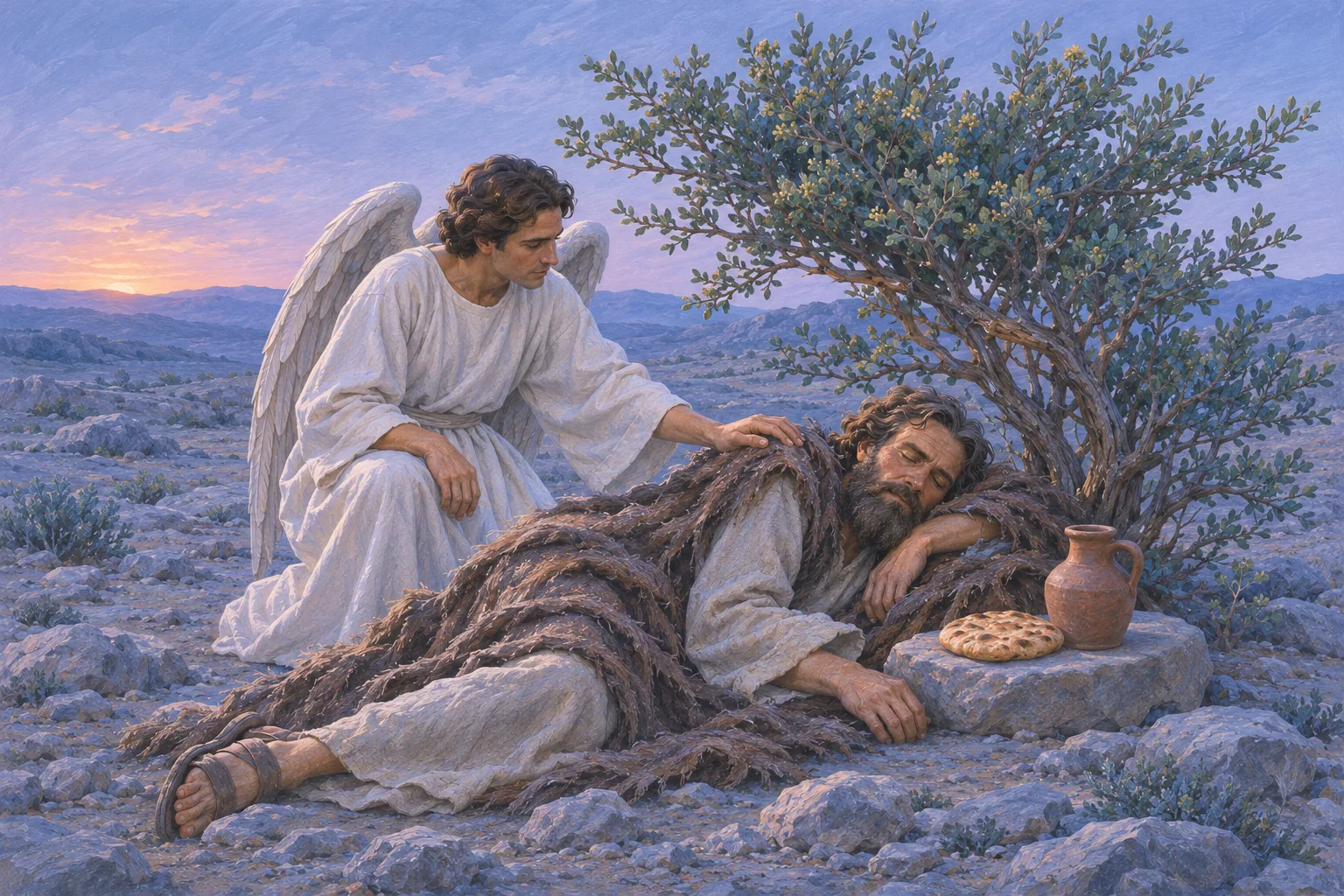
But Jezebel threatened his life, and Elijah was afraid. He fled to Beer-sheba, then went into the desert and begged the LORD to take his life. Perhaps he felt that all his labor had been in vain. Twice an angel woke him with bread and water, and strengthened by that food he walked forty days and forty nights to Mount Horeb.
There he spent the night in a cave. The LORD asked him what he was doing there, and Elijah answered that he alone was left and that they were seeking his life. Then came a strong wind and an earthquake, but the LORD was not in them. “After the earthquake there was fire - but the LORD was not in the fire. After the fire there was a tiny whispering sound.” (1 Kgs 19:12)
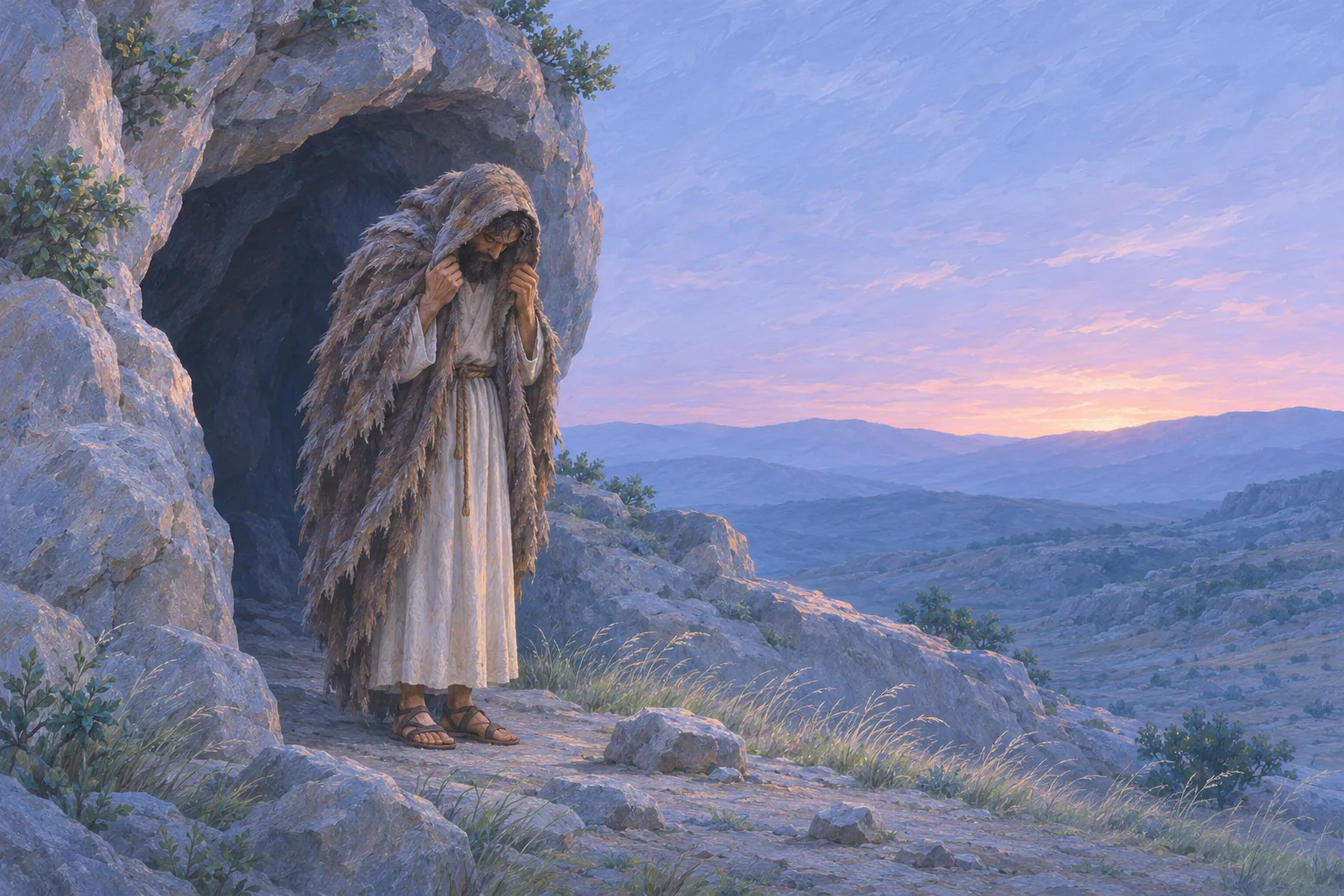
Elijah covered his face with his cloak and stood at the entrance of the cave. The LORD sent him back and declared that seven thousand in Israel had not worshiped Baal. On the way, Elijah threw his cloak over Elisha, son of Shaphat, who was plowing. Elisha took his leave, then followed him and became his attendant.
When Jezebel arranged false witnesses so that Naboth was killed and Ahab took his vineyard, Elijah was sent to rebuke Ahab. Ahab humbled himself, fasting and wearing sackcloth, so the LORD postponed the disaster on his house. Later Elijah also rebuked King Ahaziah, who sought guidance from Baalzebub, the god of Ekron, and the king died as the LORD had said.
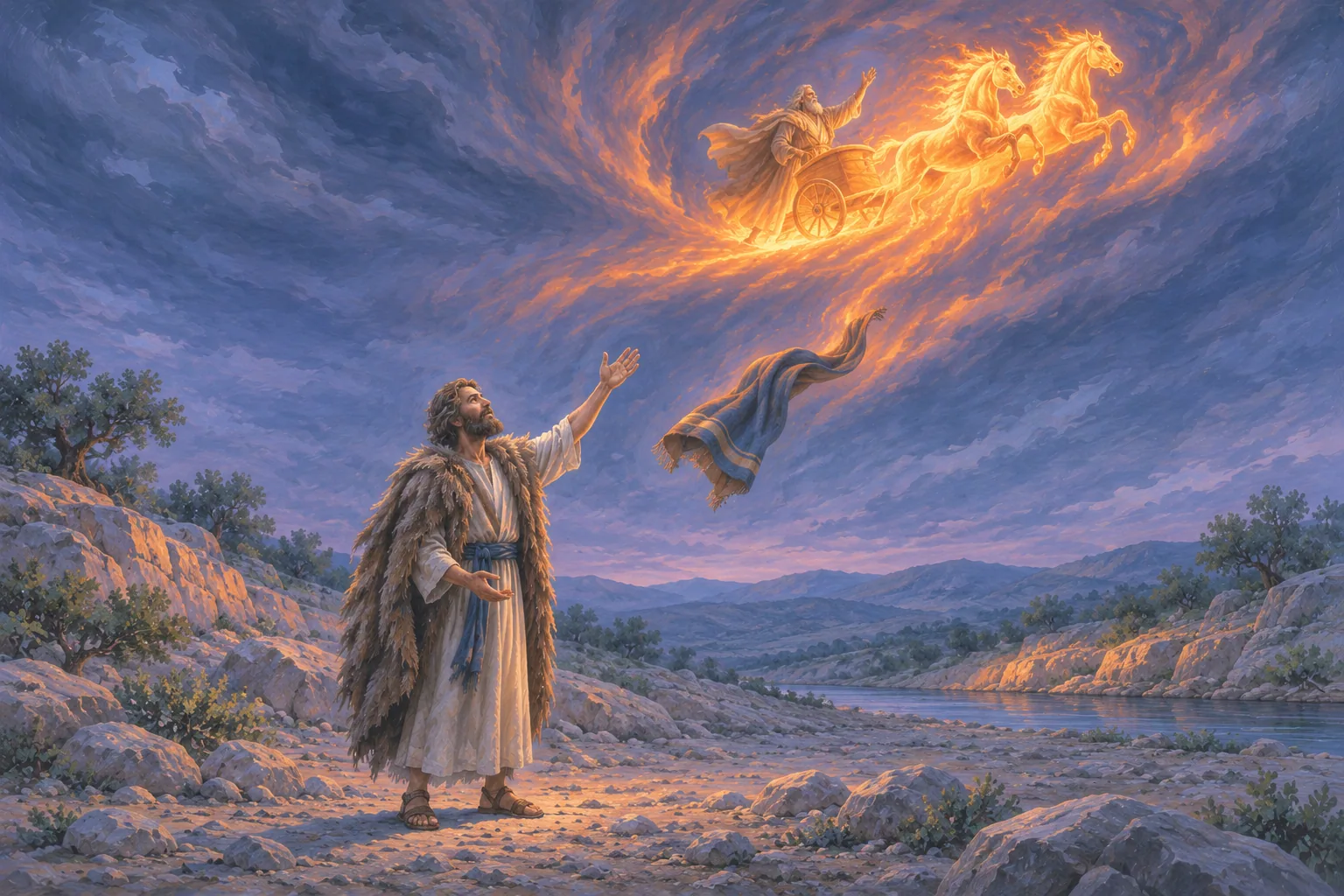
At last the time came for the LORD to take Elijah up to heaven. Three times Elisha refused to leave his master. At the Jordan, Elijah struck the water with his cloak, the water divided, and the two crossed over on dry ground. Elisha then asked for a double portion of Elijah's spirit.
“As they walked on conversing, a flaming chariot and flaming horses came between them, and Elijah went up to heaven in a whirlwind.” (2 Kgs 2:11) Elisha cried out to him as his father, picked up the cloak that had fallen from Elijah, and parted the waters of the Jordan with it. The guild prophets from Jericho acknowledged that the spirit of Elijah rested on Elisha.
The Background of Elijah's Story
According to Pope Benedict XVI, Elijah's story takes place in the northern kingdom of Israel in the ninth century before Christ, in the time of King Ahab; the date is an estimate. The people were mixing their worship: alongside the LORD they worshiped Baal, who was believed to be the source of rain. Against that background, the drought and the rain in this story become a question about who the true God is.
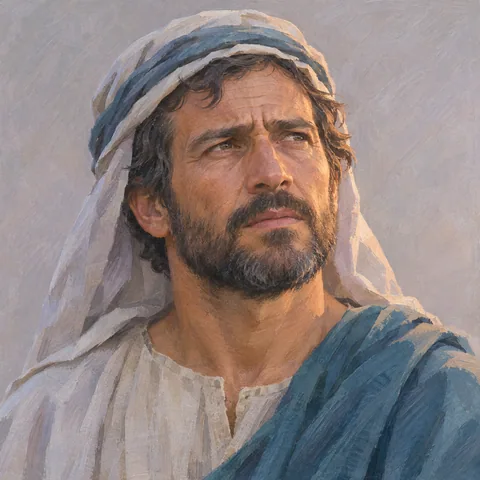
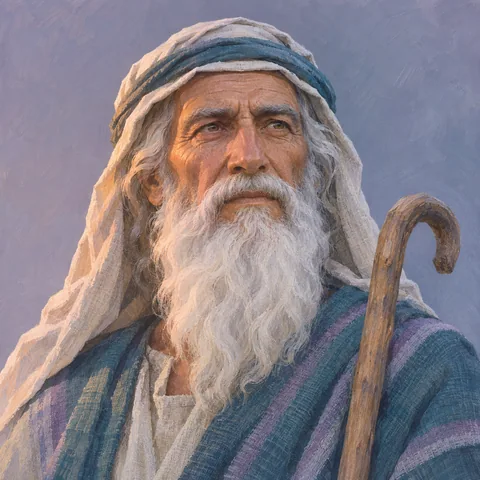
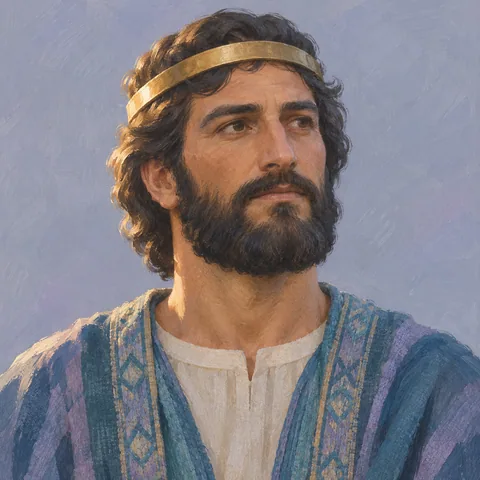
Pope Benedict XVI explained that Elijah's whole life was dedicated to awakening the people's gratitude to the LORD as the one God, in keeping with his name, which is thought to mean the LORD is my God. The twelve stones of the altar on Carmel, he said, stand for all Israel and its history of salvation.
Elijah's story does not end in the Books of Kings. Pope Francis recalled that Elijah appears with Moses at the Transfiguration of Jesus, and that Jesus himself refers to him when confirming the witness of John the Baptist. Because Elijah was taken up to heaven, his return was awaited as the forerunner of the Messiah. The Catechism calls him the Father of the Prophets, and the Carmelite Order remembers him in its emblem.
What Elijah Means Today
Pope Benedict XVI taught that Elijah stands out among the prophets because God moved him to bring the people to conversion. The first lesson of Carmel, he said, is the primacy of the first commandment: to worship God alone. In his prayer, Elijah asked for what God himself desires, namely to reveal himself in his mercy.
The story of Horeb shows another side. Pope Francis explained that God comes to meet the weary Elijah, who feels he has failed, and restores peace to his heart. In prayer, he said, awareness of our own weakness is worth more than moments of triumph. Benedict XVI added that God speaks in silence, but people need to learn to listen.
For teenagers and young adults, Elijah feels close. There are days of great courage and nights when loneliness and a sense of uselessness creep in, as Pope Francis noted. This story does not ask anyone to pretend to be strong; bread, rest and the silence of prayer become God's way of restoring us. Pope Francis also reminded us that the touchstone of prayer is concrete love for others, like Elijah's courage in defending Naboth.
At a glance
- Reading
- 1 Kings 17 – 2 Kings 2
- Form
- People
- People
- Elijah · Ahab · Jezebel · Widow of Zarephath · Elisha, son of Shaphat · Naboth
- Places
- Zarephath · Mount Carmel · Mount Horeb · Jordan River
People in this story
This story is retold by the Light of Saints editorial team from the Catholic edition of Scripture and the Church sources listed, with the help of AI, and checked by an editor. Some of the atmosphere and the characters' feelings are our portrayal. For the full text, read the passage in Scripture.
Take this story into your prayer.
Common questions
Who was the widow of Zarephath in the story of Elijah?
Scripture does not give her name. She was a widow in Zarephath, in the region of Sidon, who made bread for Elijah from her last flour; her flour and oil did not run out, and her son came back to life after Elijah called out to the LORD (1 Kings 17:8-24).
What does the still small voice on Mount Horeb mean?
On Horeb the LORD was not in the wind, the earthquake or the fire, but after them came a light silent sound (1 Kings 19:12). Pope Francis explained that there God met the weary Elijah and restored peace to his heart.
Did the prophet Elijah die?
According to 2 Kings 2:11, a flaming chariot and flaming horses separated Elijah from Elisha, and Elijah went up to heaven in a whirlwind. Pope Francis noted that for this reason his return was awaited as the forerunner of the Messiah.
Why is Elijah called the Father of the Prophets?
Vatican News, quoting the Catechism of the Catholic Church, calls Elijah the Father of the Prophets, of the generation of those who seek God and his face. Pope Benedict XVI said he stands out among the prophets because God moved him to bring the people to conversion.
Context & sources
1 Kgs 17:1–19:21; 1 Kgs 21:1-29; 2 Kgs 1:1–2:25
Scripture quotations are from the New American Bible © Confraternity of Christian Doctrine, Washington, D.C.
Published at www.vatican.va
Cited as a Church source; the source text remains its publisher's.
Published at www.vatican.va
Cited as a Church source; the source text remains its publisher's.
Published at www.vatican.va
Cited as a Church source; the source text remains its publisher's.
Published at www.vaticannews.va
Cited as a Church source; the source text remains its publisher's.
Free to copy and share. Please credit lightofsaints.com. Copyright