Saint Augustine of Hippo: A Seeker of Truth Found by God
Saint Augustine of Hippo thirsted for truth, sought it in the wrong places, then gave himself to Christ and kept converting throughout his life.
Saint Augustine, one of the Fathers of the Church, was never satisfied with shallow answers. He thirsted for truth, and that thirst kept him restless. From childhood he received a Christian education from his mother, Monica, who remained very close to him.
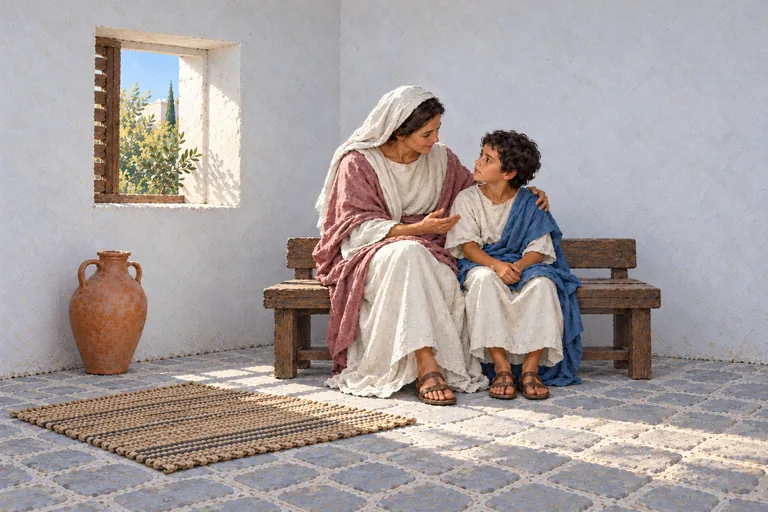
Yet his youth was a wandering one. According to Pope Benedict XVI's summary, Augustine for a time thought that truth lay in prestige, career, possessions and promises of instant happiness. He did wrong and experienced sorrow and failure, but he did not stop searching. In Confessions, the account of his life that he wrote himself, he emphasizes that his heart was always drawn to Christ, the love he had received from his mother since childhood.
That search led him to books of philosophy. His reading pointed to the existence of the Logos, the reason from which the whole world came. But philosophy could not tell him how to reach the Logos, which seemed so distant. According to Benedict XVI, the truth was fully revealed to him only when Augustine read the letters of Saint Paul within the faith of the Catholic Church.
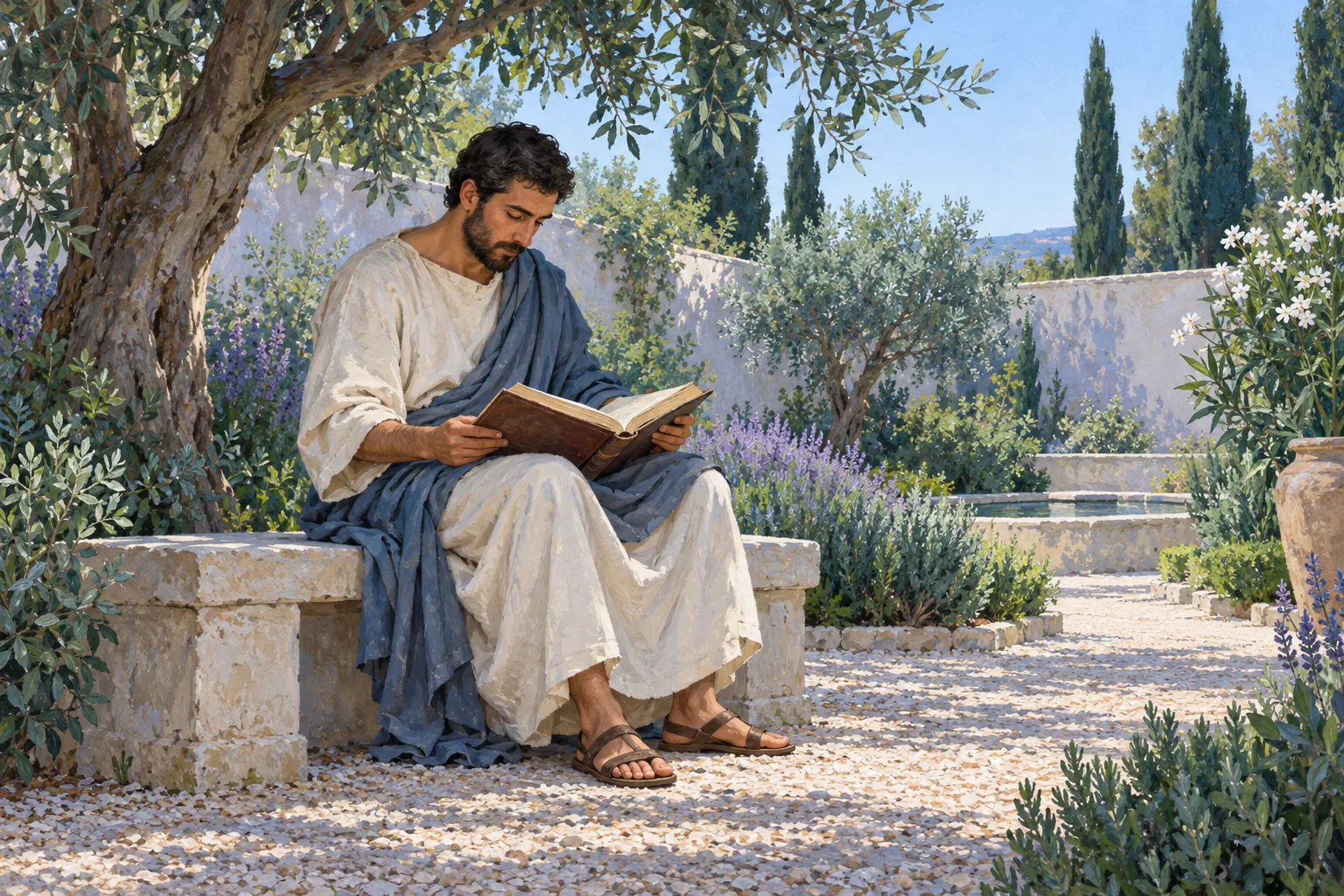
Augustine himself tells of the turning point in Confessions. In the midst of an agonizing inner struggle, he withdrew alone to a garden. There he heard a child's voice chanting an invitation to pick up and read. He remembered the conversion of Anthony, the Father of Monasticism, and then opened the book of Paul's letters that he had recently read.
His eyes fell on the passage of the Letter to the Romans that urges leaving the works of the flesh and putting on Christ. Augustine felt the darkness of doubt lift and was finally free to give himself wholly to Christ. He saw it as God's work converting him. This is his personal testimony, not a record of a miracle; Benedict XVI calls it the first, decisive conversion.
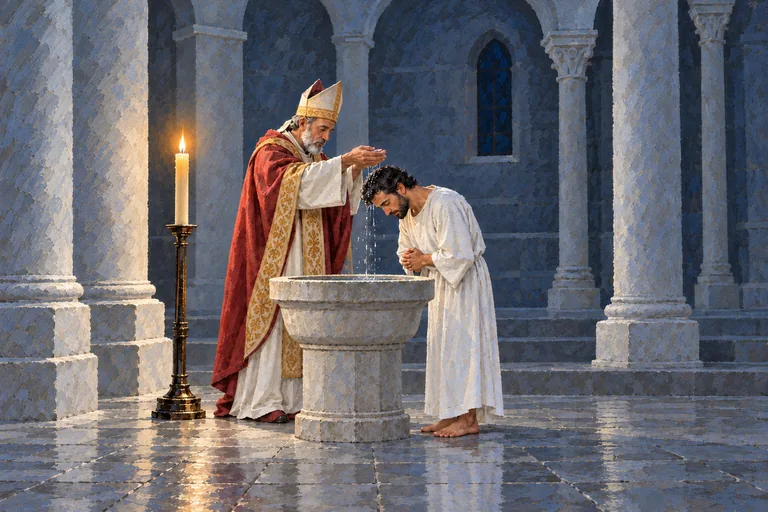
Augustine later wrote that the God he had sought by his own efforts was in fact closer to him than he was to himself and had never abandoned him. According to Benedict XVI's interpretation, it was not Augustine who found the Truth; rather, the Truth, who is God, sought him and found him. At the Easter Vigil of 387, Bishop Ambrose baptized him in Milan. That was the culmination of his conversion, but not the end of his journey.
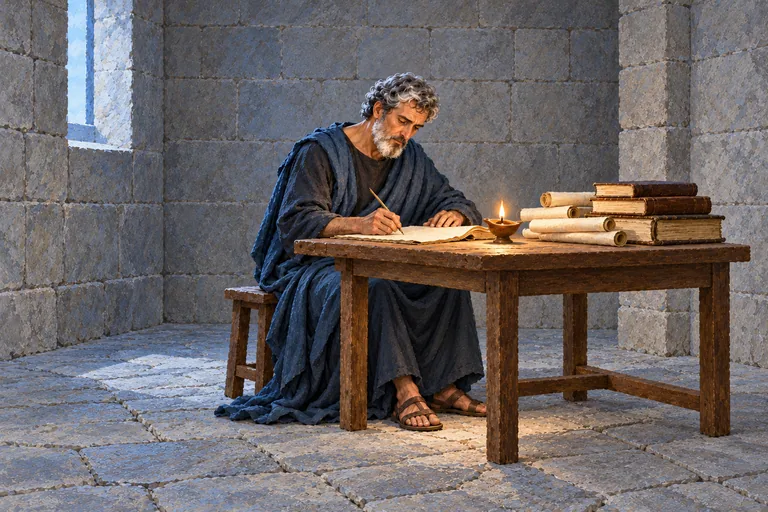
He returned to Africa and founded a small monastery with a few friends to pray and study. That quiet life lasted three years. Then, against his will, he was ordained a priest at Hippo to serve the faithful. He learned to proclaim the faith to simple people and to live for them. According to Benedict XVI, realizing that others are reached with simplicity and humility was his second conversion.
There was still one last step. In this third conversion, Augustine asked God's forgiveness every day. In his final years, he critically reexamined all his works in a writing known as the Retractationes. He died in the humility he had lived day after day. For Benedict XVI, these three steps are one great conversion that remains a model for everyone.
- Church status
- Saint; the Church celebrates his feast and asks for his intercession
- Title
- Father of the Church
- Mother
- Saint Monica, who gave him a Christian education
- Baptism
- Easter Vigil of 387 in Milan, by Bishop Ambrose
- Priesthood
- Ordained a priest at Hippo against his will, three years after founding a small monastery in Africa
- Work at the end of his life
- Retractationes, a critical review of his own works
Bring this story into your prayer.
Context & sources
Opening para., audience of Feb. 27, 2008; Para. on Confessions, audience of Feb. 27, 2008; Para. on first step of conversion, audience of Feb. 27, 2008 (citing Confessions III, 4, 8); Para. on first step of conversion, audience of Feb. 27, 2008; Para. on the garden, audience of Feb. 27, 2008 (citing Confessions VIII, 12, 29); Para. on the garden, audience of Feb. 27, 2008 (citing Rom 13:13-14); Para. on the garden, audience of Feb. 27, 2008 (citing Confessions VIII, 1
Official Vatican URL supplied in approved brief. Research snapshot; rights and final paraphrase require human review.
Greeting to special English-speaking groups, end of audience of Aug. 25, 2010; Close of catechesis, before greetings to special groups; Catechesis, audience of Aug. 25, 2010, para. on the thirst for Truth; Catechesis, audience of Aug. 25, 2010, para. on the difficult journey; Catechesis, audience of Aug. 25, 2010 (citing Confessions III, 6, 11; X, 27, 38); Catechesis, audience of Aug. 25, 2010, same para.
Official Vatican URL supplied in approved brief. Research snapshot; rights and final paraphrase require human review.
Free to copy and share. Please credit lightofsaints.com. Copyright