Saint Jude Thaddeus: The Apostle Often Confused with Judas
Meet Saint Jude Thaddeus, the rarely recorded apostle of Jesus often confused with Judas Iscariot, through one question he asked Jesus at the Last Supper.
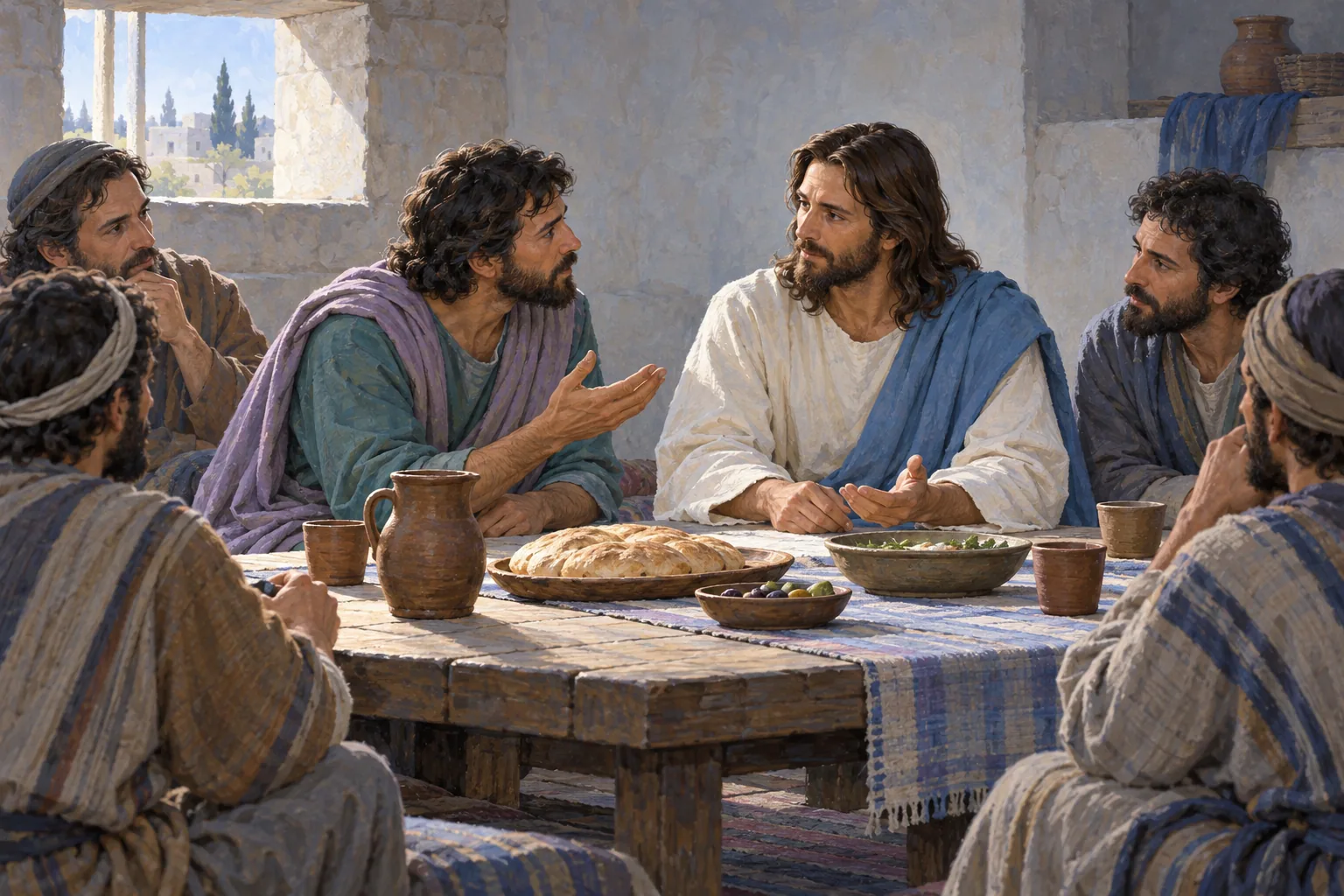
As soon as they hear the name Judas, many people immediately think of Judas Iscariot. Yet there was another apostle who bore the same name. Pope Benedict XVI stressed that Saint Jude Thaddeus was one of the Twelve Apostles and must not be confused with Judas Iscariot.
The name Jude Thaddeus actually comes from tradition. The Gospels of Matthew and Mark call him simply Thaddeus, while Luke calls him Judas, the son of James. The Church's tradition combined the two names and understood them as one person. Even where the nickname Thaddeus comes from is not known for certain.
In every list of the Twelve Apostles, his name is always placed next to Simon. Beyond that, very little is known about him, apart from one letter in the New Testament that is attributed to him.
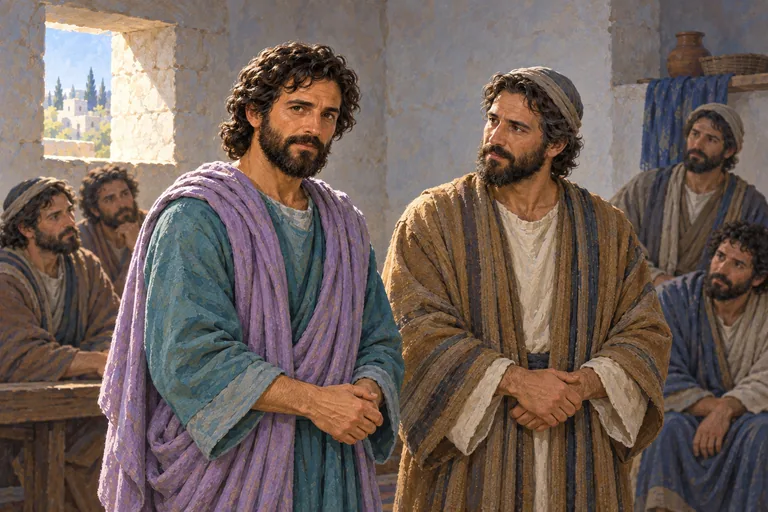
Even so, one question of his has been preserved. At the Last Supper, according to the Gospel of John, a disciple named Judas, whom tradition understands to be Jude Thaddeus, asked Jesus a question. He wanted to know why Jesus would reveal himself to the disciples but not to the world. Only John records this question.
Jesus answered that whoever loves him will keep his word. The Father will love that person, and then the Father and the Son will come and dwell with him. Benedict XVI explained that the risen Jesus must also be recognized with the heart, so that God can dwell within the human person.
The letter attributed to Jude Thaddeus belongs to the catholic letters, that is, general letters addressed not to one local community but to a wider circle.
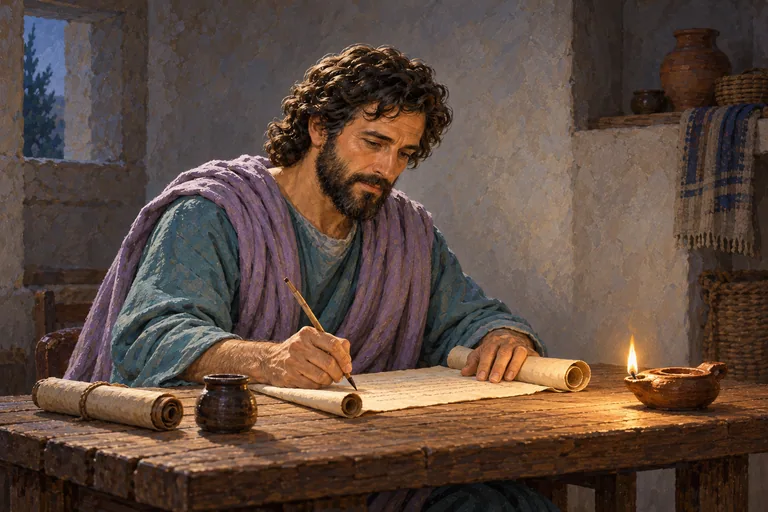
According to Benedict XVI, the letter above all warns the faithful against people who make God's grace an excuse to live as they please. These people lead their fellow believers astray and cause division within the Church. In response, the letter urges the faithful to grow in faith, pray in the Holy Spirit, remain in the love of God, and hope in the mercy of Christ. The Pope also saw its author as someone who lived the faith to the full: living uprightly, full of joy, trusting, and praising God.
About the end of his life, only tradition is available. According to the tradition mentioned in a greeting by Pope Benedict XVI in 2010, Simon and Jude Thaddeus served as apostles in various lands and died as martyrs in Persia. There are no details about the place, the time, or the manner.
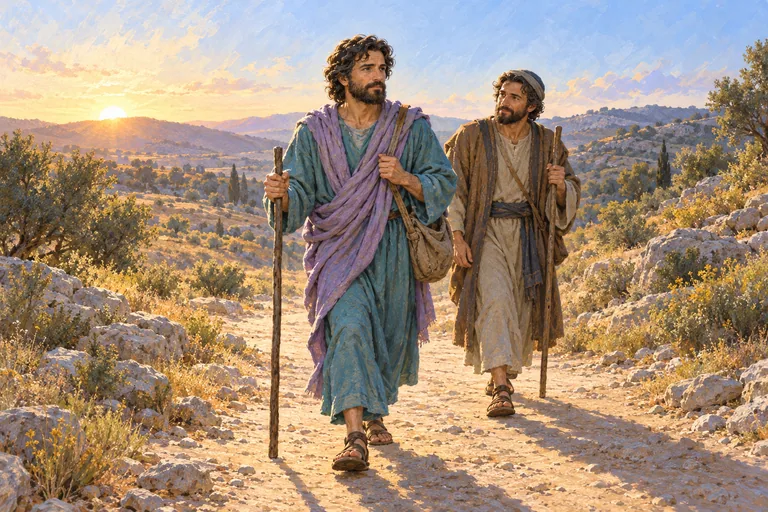
That greeting also speaks of him as an intercessor in difficult cases considered hopeless. The Church honors him as a saint and apostle, and celebrates his feast together with St. Simon.
- Church status
- Saint and Apostle; his feast is celebrated together with St. Simon
- Identity
- One of the Twelve Apostles, distinct from Judas Iscariot
- Name in the Gospels
- Thaddeus (Matthew, Mark) and Judas, the son of James (Luke); tradition combines the two
- Gospel record
- The Gospel of John records his question to Jesus at the Last Supper
- Letter
- One general letter in the New Testament is attributed to him
- According to tradition
- Served in various lands and died as a martyr in Persia; known as an intercessor in cases considered hopeless
Bring this story into your prayer.
Context & sources
General Audience, October 11, 2006, opening paragraph; same, section on Jude Thaddeus; same, section on Jude Thaddeus (Jn 14:22-23); same, Jesus's answer and the Pope's interpretation; same, section on the Letter of Jude; same, section on the content of the Letter of Jude; same, quotation of Jude 20-22; same, close of the section on the Letter of Jude
Official holy-see source from vatican.va, supplied in the approved brief. Official website of the Holy See; paraphrase and link, quotations within limits. Research snapshot; rights and final paraphrase require human review.
General Audience, October 27, 2010, greeting to young people, the sick and newlyweds
Official holy-see source from vatican.va, supplied in the approved brief. Official website of the Holy See; paraphrase and link, quotations within limits. Research snapshot; rights and final paraphrase require human review.
Udienza Generale 27 ottobre 2010, saluto ai giovani, ai malati ed agli sposi novelli; Udienza Generale 27 ottobre 2010, traduzione italiana del saluto in lingua polacca
Official holy-see source from vatican.va, supplied in the approved brief. Official website of the Holy See; paraphrase and link, quotations within limits. Research snapshot; rights and final paraphrase require human review.
Free to copy and share. Please credit lightofsaints.com. Copyright