Saint Francis Xavier: From Paris to Maluku for the Gospel
Francis Xavier, a bright young man, left a worldly career after meeting Ignatius of Loyola and sailed to Maluku to teach the faith in local-language songs.
In Paris, a young man from Navarre was building his future. Saint Francis Xavier was born in 1506 in northern Spain, into a noble family that had fallen into poverty. In Paris he studied and was known as intelligent and kind-hearted, but his life was still headed in a worldly direction. He was pursuing a career for himself.
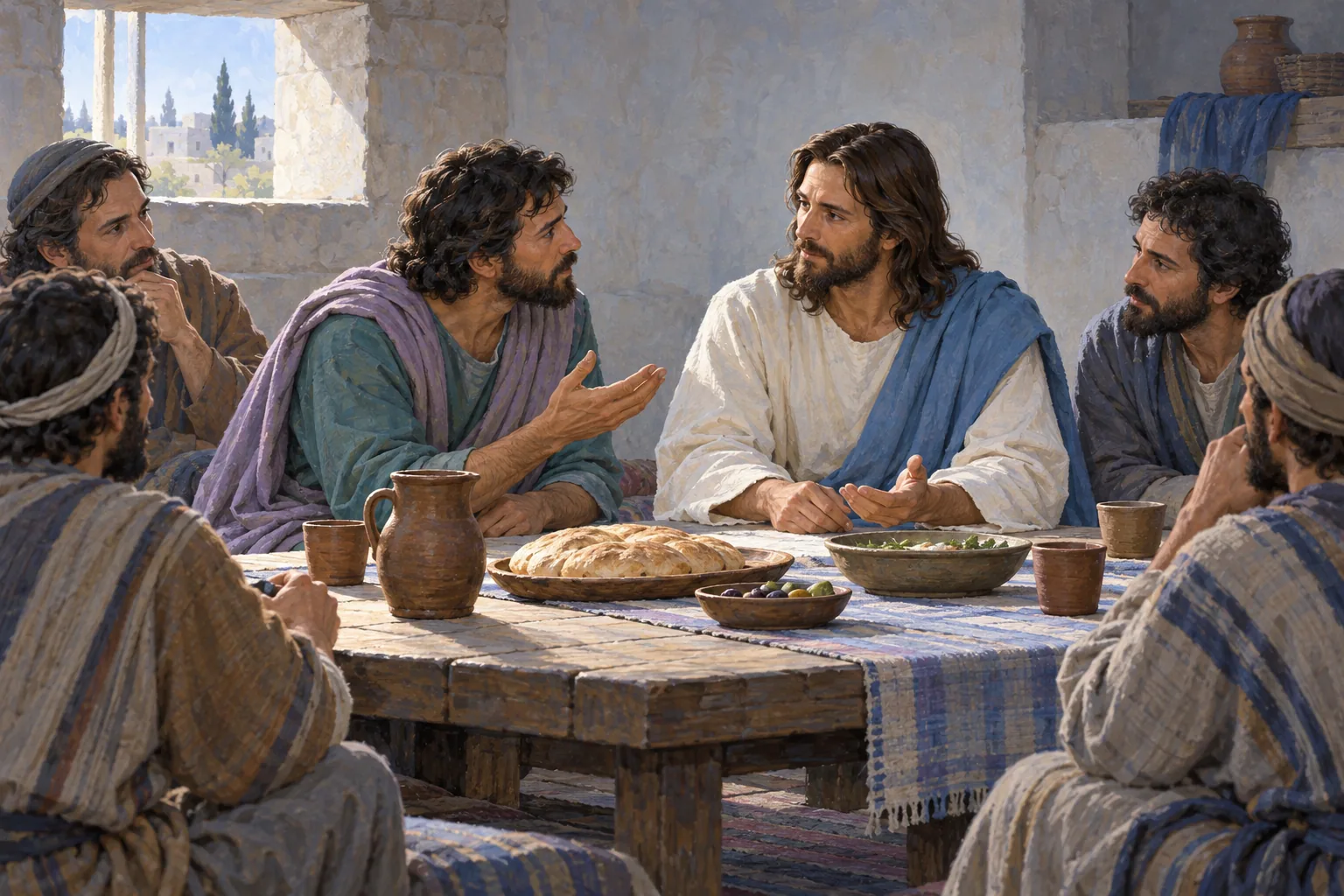
It was in that same city that he met Ignatius of Loyola. Ignatius guided him through the spiritual exercises. The sources do not say how long the process took or what his struggle was like, but the result is clear: Francis's life changed.
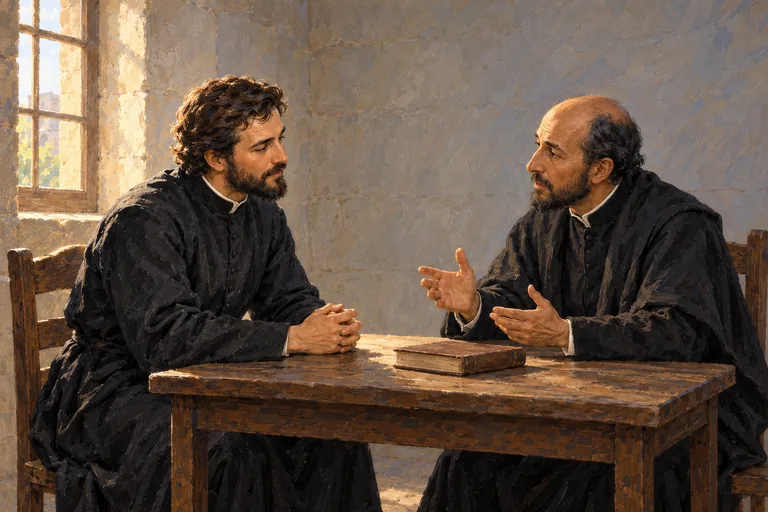
That change demanded a choice. Francis left his entire worldly career to become a missionary. Together with Ignatius and a few companions, he formed the Society of Jesus, whose members are called Jesuits. They placed themselves at the service of the Pope for the most urgent needs of the Church of that time. Francis took his vows, then was ordained a priest and sent to the East to proclaim the Gospel.
The journey was not easy. Sea voyages at that time were harsh and dangerous; many people died from shipwrecks or disease. Francis spent more than three and a half years on ships, about a third of his entire mission.
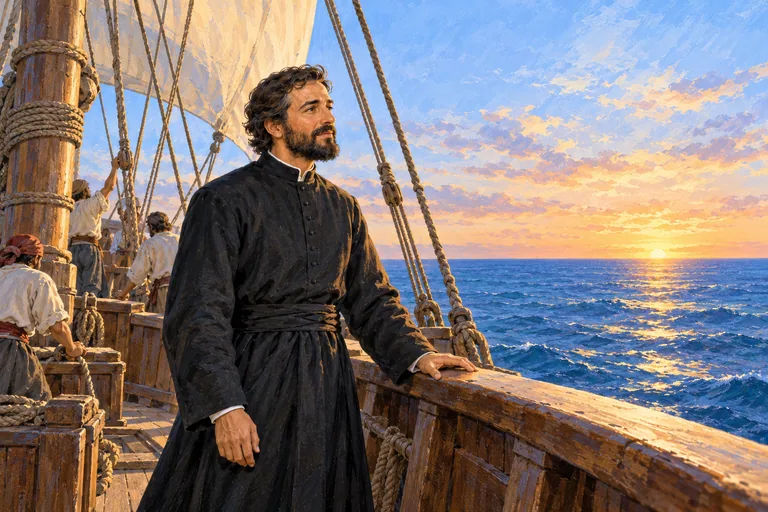
He arrived in Goa, India, and made it his base, but he did not settle there. He went to the poor fishermen of the southern coast of India. He taught children the catechism, that is, the basic lessons of the faith, as well as prayers. He also baptized people and cared for the sick. However busy he was, he never abandoned prayer, because he knew his strength came from union with God.
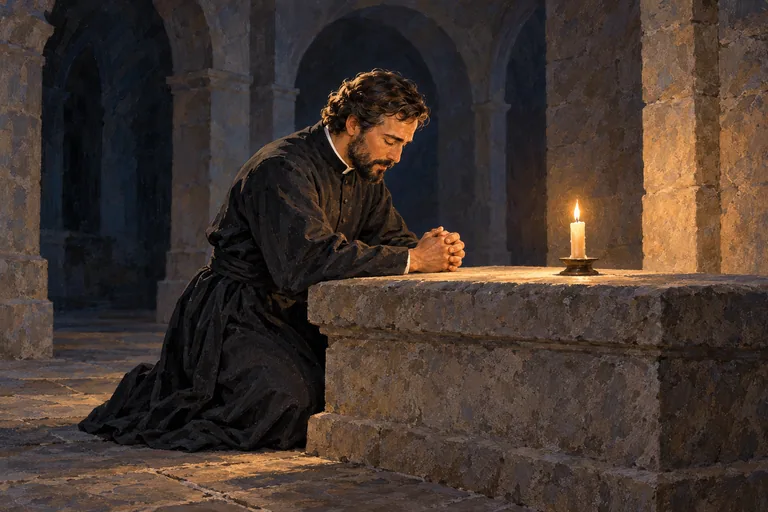
Prayer also moved him to his next step. According to a catechesis by Pope Francis, one night while praying at the tomb of an apostle, he felt he needed to go beyond India. He entrusted the work he had begun to people who could be trusted, then courageously set sail for the Maluku Islands, the most distant islands of the Indonesian archipelago.
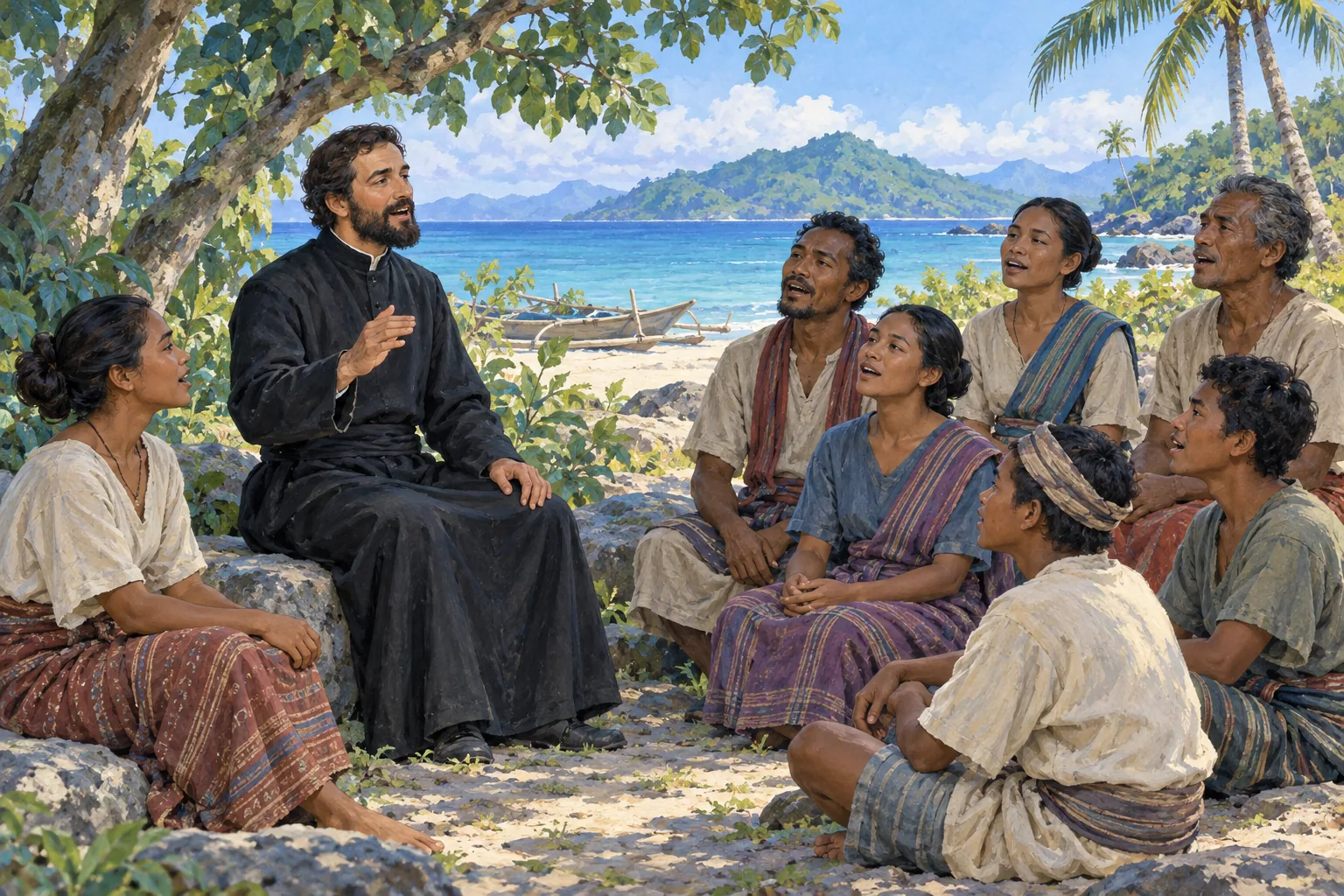
In Maluku, he translated the catechism into the local language. Then he invited the people to sing it, because the lessons of the faith are learned more easily through song. The Gospel did not arrive as a foreign lesson; it entered through songs in their own language.
Wherever he went, Francis took great care of the sick, the poor and children. In a letter to the Society in Rome, he testified that the dangers and hardships borne for the love of Jesus Christ actually became a source of heavenly consolation.
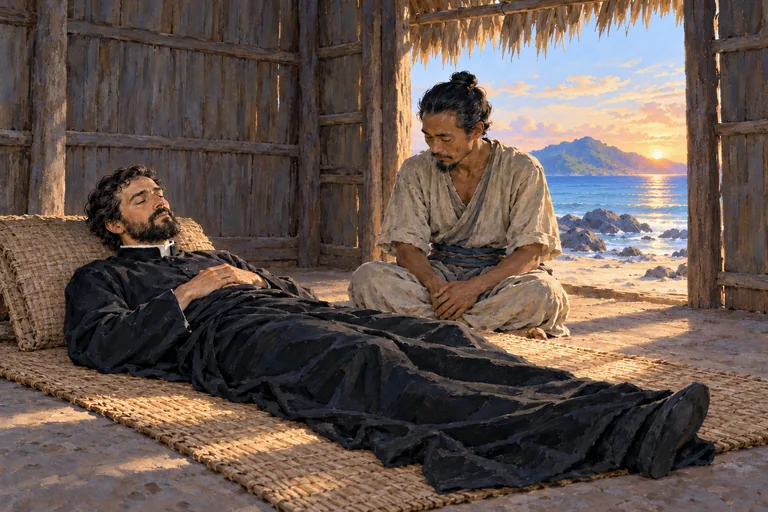
He also spent three very difficult years in Japan. After that he tried to enter China, but failed. On December 3, 1552, he died on Shangchuan Island at the age of 46, abandoned, with only a Chinese man beside him. The Church now honors him as a saint and the patron of missions.
- Born
- 1506, Navarre, northern Spain
- Church status
- Saint; patron of missions
- Community
- Co-founded the Society of Jesus (Jesuits) with Ignatius of Loyola
- Work in Maluku
- Translated the catechism into the local language and taught it through song
- Died
- December 3, 1552, Shangchuan Island, at the age of 46
Bring this story into your prayer.
Context & sources
Catechesis, opening paragraph after the greeting; Catechesis, para. on origins; Summary of the Holy Father's words; Catechesis, para. on the sea voyages; Catechesis, para. on Goa and India; Catechesis, para. on the departure for Maluku; Catechesis, para. on Maluku; Catechesis, letter quotation (Letter to the Society at Rome, January 21, 1548, according to the source); Catechesis, para. on prayer and service; Catechesis, para. on Japan; Catechesis, para. on his death
Official Vatican URL supplied in approved brief. Research snapshot; rights and final paraphrase require human review.
Free to copy and share. Please credit lightofsaints.com. Copyright