Saint Maria Goretti: The Young Girl Who Forgave Her Murderer
The story of Saint Maria Goretti, a poor girl from Italy shaped by her family's faith, who on her deathbed forgave the person who killed her.
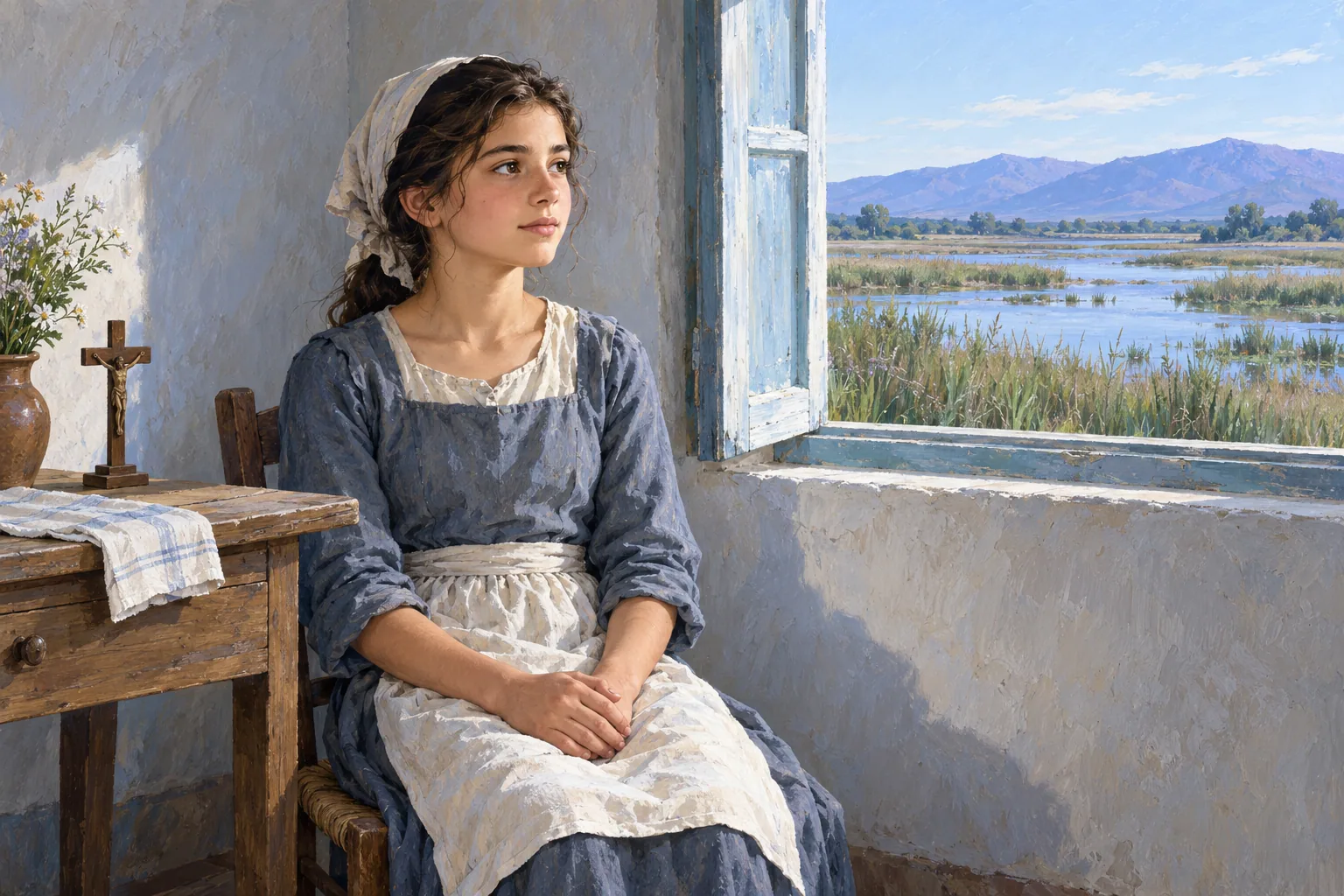
Pope John Paul II once expressed his hope that adolescents and young people would get to know Saint Maria Goretti better. This girl's life was very short. Yet the Church continues to remember her, above all because of one choice she made at the end of her life: to forgive.
Maria was born in Corinaldo, in the Marches region of Italy, on October 16, 1890. Soon afterward her family was obliged to emigrate, eventually arriving at Le Ferriere di Conca, in the Pontine Marshes. They lived in poverty, so much so that Maria could not go to school. Even so, her home was united and enlivened by Christian faith. The religious instruction she received from her family shaped a strong and mature personality, even though she was not yet twelve years old.
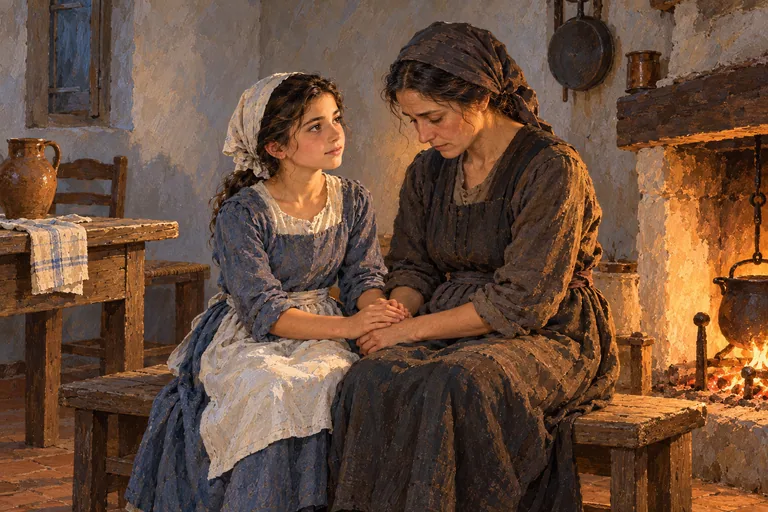
Hard times came when Maria's father died of malaria. According to John Paul II, in those difficult days Maria was in the habit of encouraging her mother and reminding her that God would help them. The trust in God's provident love that she had learned at home now showed in her own conduct.
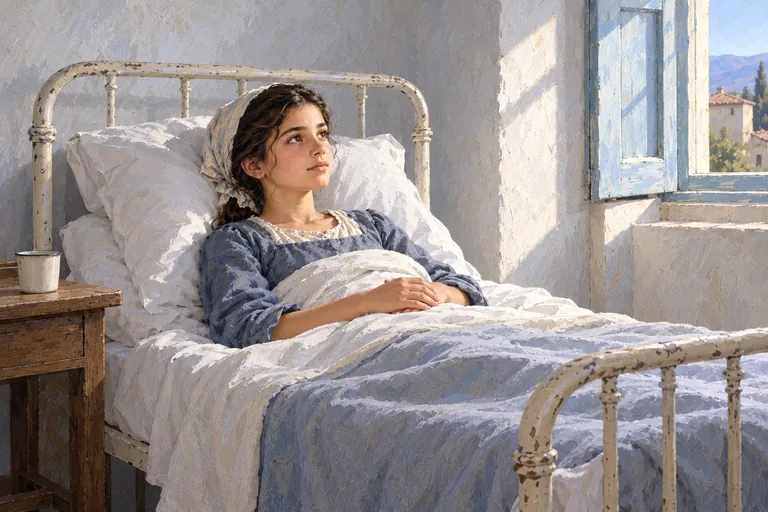
Then came the violence that ended her life. Maria was attacked and stabbed in the village of Le Ferriere. The next day, on July 6, 1902, she died in the hospital at Nettuno. John Paul II described the attack as the blind violence of her attacker. In the canonization homily, Pope Pius XII called Maria a martyr of purity, because she would not break God's commandment even though she was threatened with death. A martyr is someone who bears witness to the faith even to death.
But what the Church remembers most is what Maria did afterward. On her deathbed, she forgave the one who killed her. She even hoped that one day she might meet him in heaven. John Paul II judged that this forgiveness and this hope deserve special attention. The sources do not record Maria's words. Nor is it known whether it was her mother who taught her to forgive, or whether it was Maria's forgiveness that determined her mother's conduct afterward.
What is certain, according to the Pope, is that the spirit of forgiveness animated the whole Goretti family. When the man was put on trial, Maria's mother forgave him on behalf of the family in the courtroom. Maria's murderer himself acknowledged his sin. He asked forgiveness of God and of Maria's family, conscientiously expiated his crime, and lived the rest of his life in that spirit of repentance. The sources do not explain when or how his conversion took place.
In 1950, Pope Pius XII canonized Maria Goretti, which means he officially declared her a saint. He held her up to everyone as a model of courageous fidelity to the Christian vocation, even to the point of giving her life. John Paul II later proposed her in a special way as an example for young people.
- Born
- October 16, 1890, in Corinaldo, in the Marches region of Italy
- Family residence
- Le Ferriere di Conca, in the Pontine Marshes
- Died
- July 6, 1902, in the hospital at Nettuno, the day after she was attacked
- Canonization
- 1950, by Pope Pius XII
Bring this story into your prayer.
Context & sources
Angelus, July 7, 2002, paragraph 1; Angelus, July 7, 2002, paragraph 2
Official holy-see source from vatican.va, supplied in the approved brief. Official website of the Holy See; paraphrase and link, quotations within limits. Research snapshot; rights and final paraphrase require human review.
Message to the Bishop of Albano, paragraph 5; Message to the Bishop of Albano, paragraph 2; Message to the Bishop of Albano, paragraph 1; Message to the Bishop of Albano, paragraph 3; Message to the Bishop of Albano, paragraph 4
Official holy-see source from vatican.va, supplied in the approved brief. Official website of the Holy See; paraphrase and link, quotations within limits. Research snapshot; rights and final paraphrase require human review.
Free to copy and share. Please credit lightofsaints.com. Copyright