Saint Luke the Evangelist: Paul's Faithful Physician
The story of Saint Luke, physician and Gospel writer, who stayed with Paul in prison in Rome when Paul's companions left.
Bless someone else by sharing this story.
Free to copy and share. Please credit lightofsaints.com.
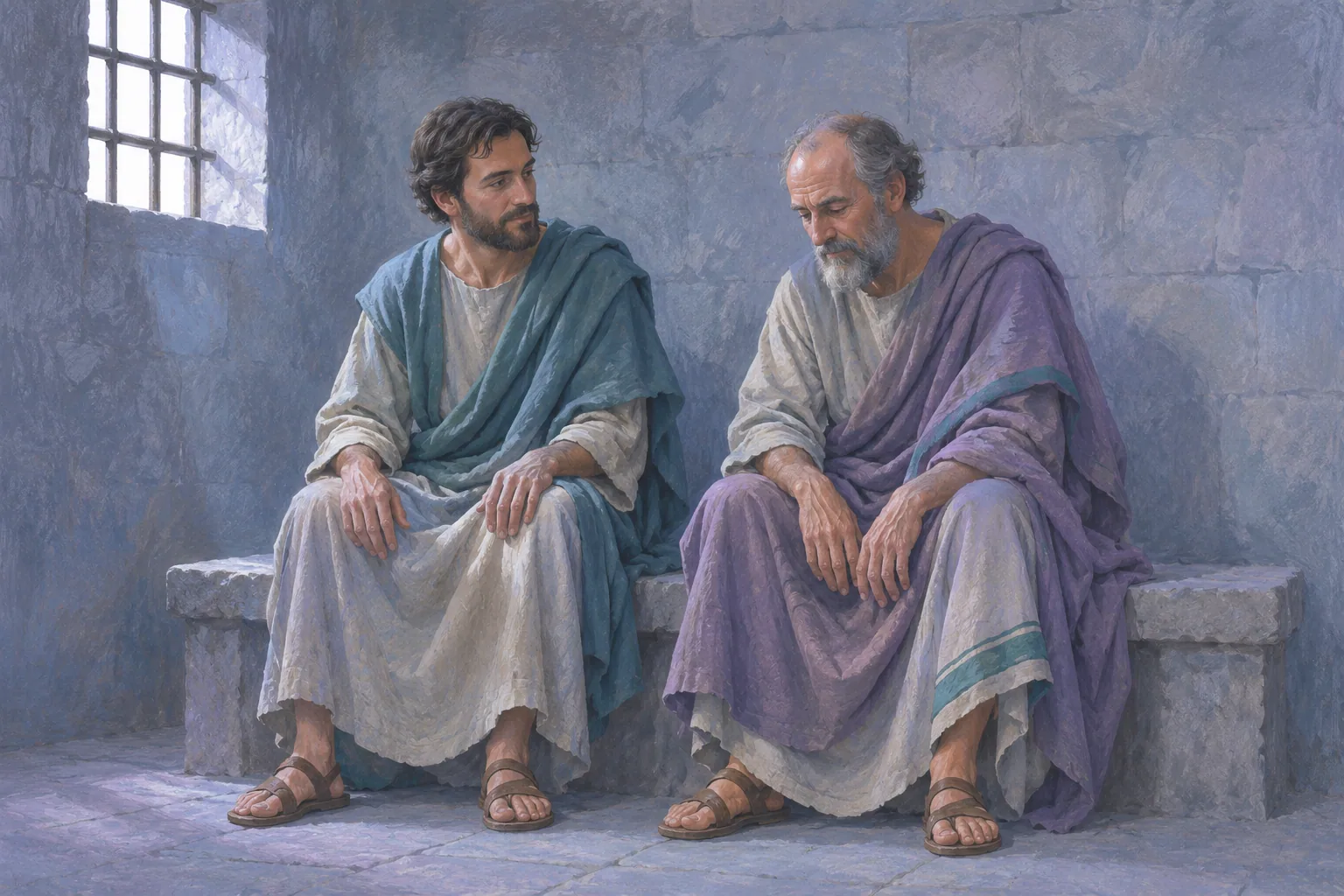
When Paul was imprisoned in Rome and his companions left, he wrote that only Luke was still with him. Saint Luke, whom Paul called the beloved physician, was born in Antioch and was not Jewish, according to the Church historian Eusebius. The Church remembers him as the author of the third Gospel and the Acts of the Apostles, a legacy that Pope John Paul II called a true treasure.
Accompanying Paul on his journeys
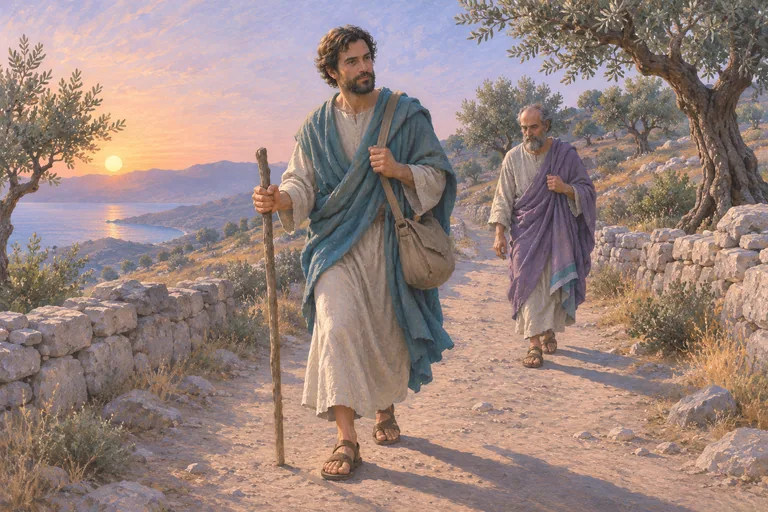
That story of faithfulness began long before Rome, although how Luke became a follower of Christ is not known. From the Acts of the Apostles, all that can be deduced is when he joined Paul. After Paul had a vision of a man from Macedonia asking for help, the book suddenly shifts from the third person to the first-person plural (we). Vatican News reads this change as a sign that Luke began to take part in the preaching journeys.
With Paul, Luke went to Samothrace, Neapolis and Philippi. When the book returns to the third person, the same source surmises that when Paul was arrested, Luke was not arrested with him but stayed on in Philippi after his friend left. Some years later Paul returned to that region. The first-person plural (we) appears again, and from this it can be deduced that Luke traveled with him once more to Miletus, Troas, Caesarea and on to Jerusalem.
Staying at Paul's side
Luke's faithfulness was seen most clearly when Paul was imprisoned in Rome. Paul's letters to Philemon and to Timothy, as Vatican News explains, show that Luke remained at his side. In the second letter to Timothy, Paul writes that Demas, Crescens and Titus had gone, and that only Luke was still with him. Paul also testifies that at his first defense everyone deserted him, but the Lord was at his side and strengthened him.
Writing the Gospel of mercy
Besides accompanying Paul, Luke left a written legacy. The Gospel he wrote pays special attention to the poor, to victims of injustice, and to repentant sinners, who are welcomed by God's forgiveness and mercy. Only Luke tells of Lazarus and the rich man, of the prodigal son whom his father welcomes with open arms, and of the sinful woman who washed the feet of Jesus with her tears and was forgiven.
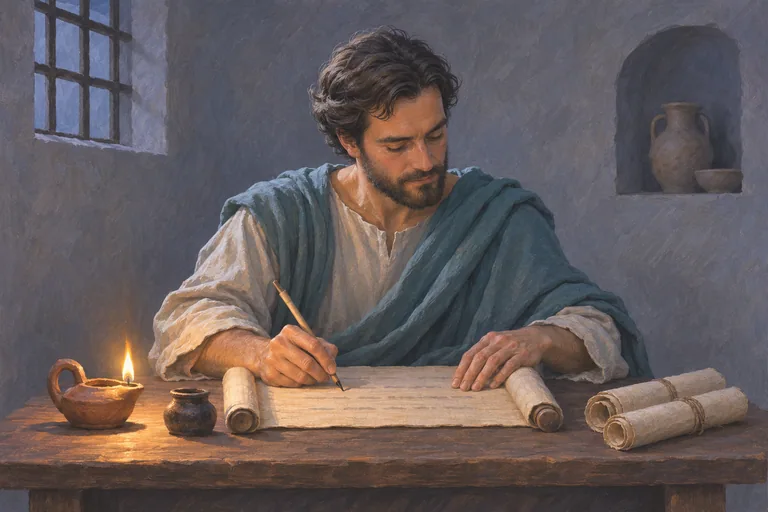
Pope John Paul II noted that this Gospel contains Jesus' proclamation in the synagogue of Nazareth about the year of the Lord's grace, that is, salvation as liberation, healing and good news for the poor. Through the story of the lost sheep, Luke shows the healing power of the Savior's love. His sensitivity also reaches out to the Gentile peoples: the parable of the Good Samaritan is found only in his Gospel.
The end of Luke's life
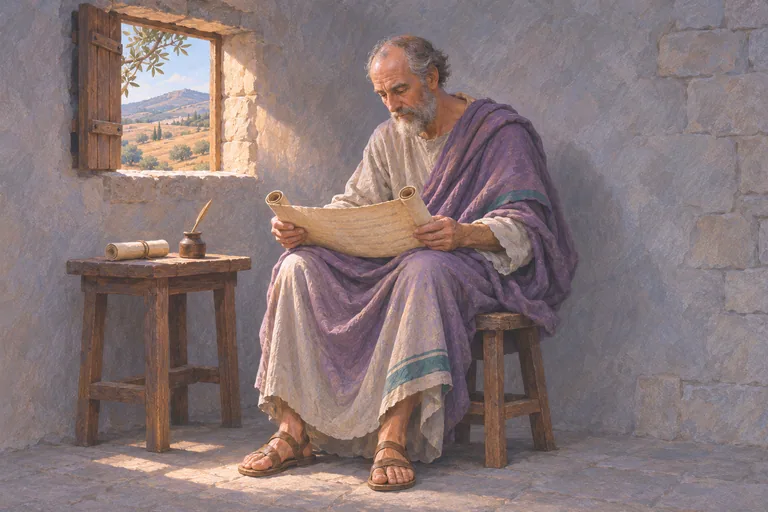
As for the end of his life, the details of Luke's death are uncertain: some say he died a martyr, while others say he lived to old age. The oldest tradition says he settled in Boeotia to write his Gospel, died there at the age of 84, and was buried in Thebes.
At a glance
- Remembered on
- 18 October Saints calendar
- Patron of
- artists
- Feast
- October 18, Feast of Saint Luke the Evangelist; Pope Benedict XVI invited the faithful to ask for his intercession. vatican.va
- Designation in Scripture
- The beloved physician, as Paul calls him in the Letter to the Colossians (Col 4:14). vaticannews.va
- Writings
- The third Gospel and the Acts of the Apostles. vaticannews.va
- Origin according to tradition
- According to Eusebius, the Church historian, Luke was born in Antioch and was not Jewish. vaticannews.va
- Journeys with Paul
- Vatican News dates the journey to Samothrace, Neapolis and Philippi to the year 51; this figure is best read as the source's estimate. vaticannews.va
- With Paul in Rome
- Paul writes that only Luke was with him (2 Tm 4:10-11); Vatican News dates the imprisonment in Rome to the year 61. vaticannews.va
Bring this story into your prayer.
Context & sources
Sec. 'The Gentile Doctor', first sentence; Sec. 'The Gentile Doctor', second sentence; Sec. 'The Gentile Doctor', last sentence; Sec. 'At the side of St Paul', first sentence; Sec. 'At the side of St Paul', second sentence; Sec. 'At the side of St Paul', after the quotation of Acts 16:9-10; Sec. 'At the side of St Paul', same paragraph; Sec. 'At the side of St Paul', last sentence; Sec. 'The Evangelist of Mercy'; Sec. 'The Evangelist of Mercy', last sentence; Sec. 'At th
Official holy-see source from vaticannews.va, supplied in the approved brief. Official site of the Dicastery for Communication; paraphrase and link. Research snapshot; rights and final paraphrase require human review.
Word of the day, 18/10/2024, title of the day; Reading of the day, 2 Tm 4:10-17b, opening sentence; Reading of the day, 2 Tm 4:10-17b, final part
Official holy-see source from vaticannews.va, supplied in the approved brief. Official site of the Dicastery for Communication; paraphrase and link. Research snapshot; rights and final paraphrase require human review.
Message of John Paul II, no. 1, third paragraph; Message of John Paul II, no. 7; Message of John Paul II, no. 1, first paragraph
Official holy-see source from vatican.va, supplied in the approved brief. Official site of the Holy See; paraphrase and link, quotations within limits. Research snapshot; rights and final paraphrase require human review.
Angelus, October 18, 2009, paragraph about the Feast of Saint Luke
Official holy-see source from vatican.va, supplied in the approved brief. Official site of the Holy See; paraphrase and link, quotations within limits. Research snapshot; rights and final paraphrase require human review.
Free to copy and share. Please credit lightofsaints.com. Copyright