Saint Helena: The Woman Who Sought the Cross of Christ
The story of Saint Helena, mother of Emperor Constantine, who converted as an adult after her husband rejected her and used her position to serve the poor.
Bless someone else by sharing this story.
Free to copy and share. Please credit lightofsaints.com.
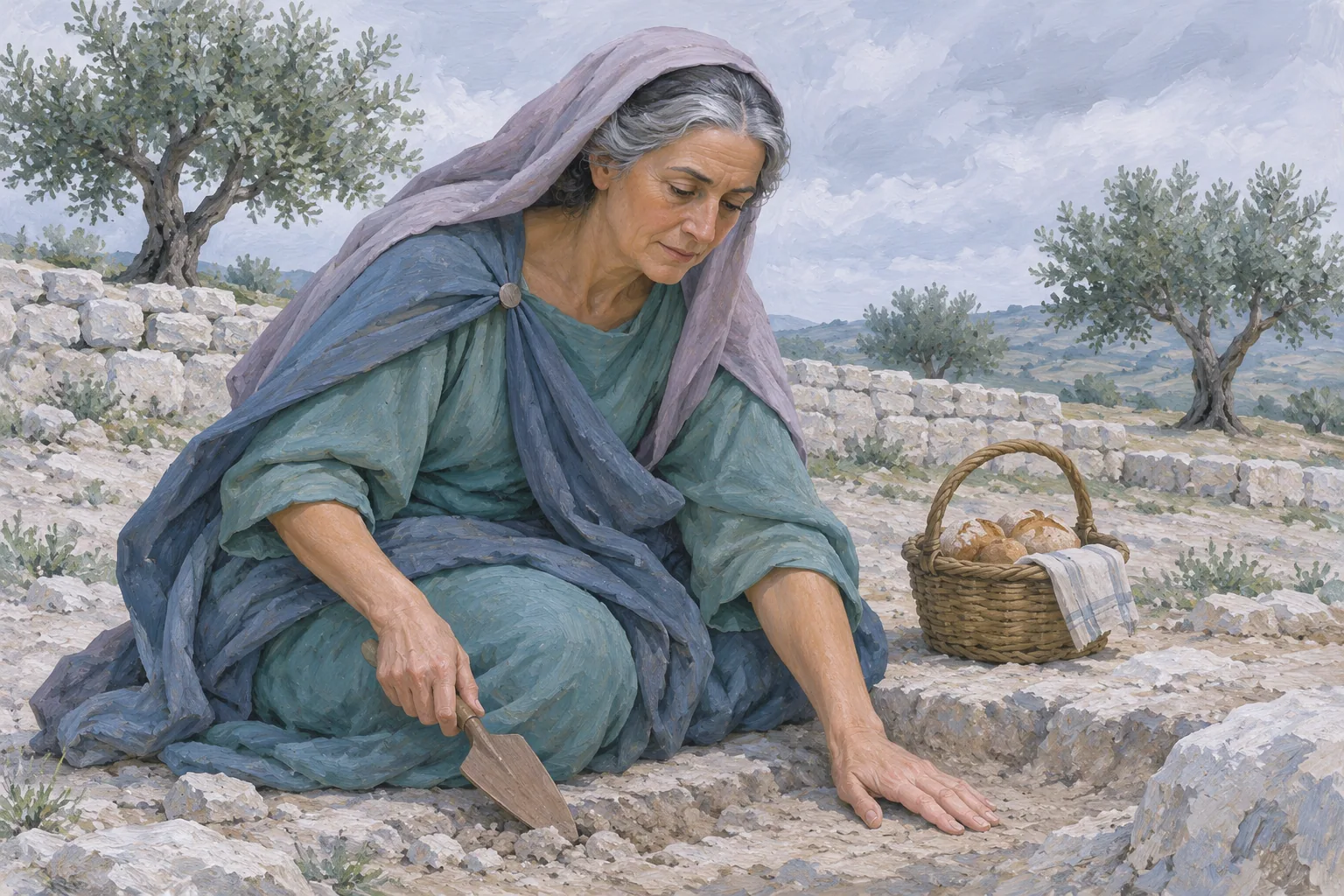
Saint Helena was not born into court life. This woman of humble background was probably born in the middle of the third century in the town of Drepanum, Asia Minor, and would later become the mother of Emperor Constantine. She is remembered for her deep care for the poor and, according to the Eastern and Western traditions of the Church, as the discoverer of the Cross of Christ.
A marriage that ended in divorce
Those humble origins are told in two versions. Saint Anselm says that as a young woman Helena worked as a stable maid, while the catechesis of Pope Leo XIV mentions the account that she was an innkeeper. A young Roman official, Constantius Chlorus, took her as his wife despite the difference in their social status. Helena accompanied her husband to the Balkans and, sometime after the year 270, gave birth to Constantine, the son who was to be her only son.
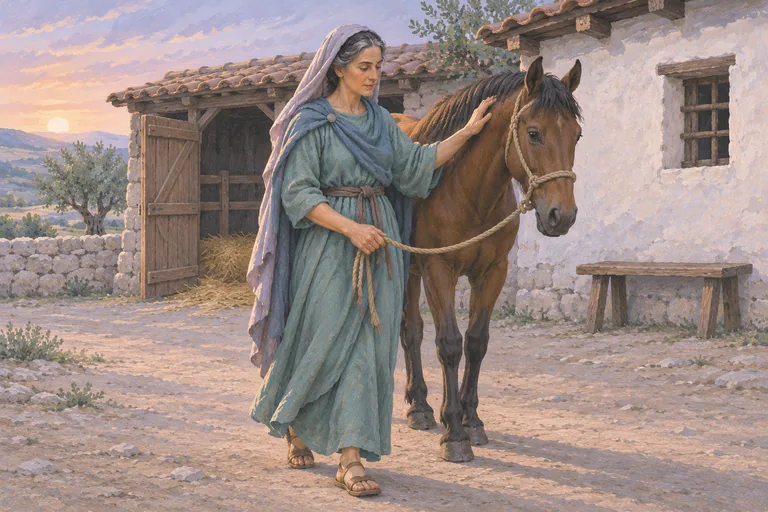
The marriage did not last. Constantius kept rising through the ranks and eventually received the title of Caesar in the political system known as the Tetrarchy. At that time he divorced Helena and married the daughter of Maximian. Vatican News says he was forced to do so for political reasons, while Pope Leo XIV says he did not hesitate to do so for the sake of power. Helena was separated from her son for years and lived far from the spotlight. According to Vatican News, she still did not lose hope.
A faith that came in adulthood
Things changed when Constantius died at York. His army proclaimed Constantine emperor. One of the new emperor's first actions was to call his mother back and give her the honorary title of Augusta. Shortly after her son came to the throne, Helena decided to become a Christian. She was already an adult when she made that decision.
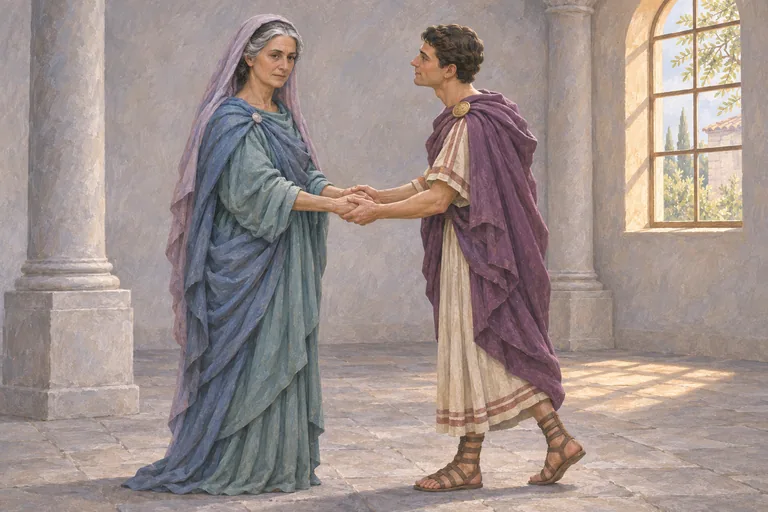
Her new faith made Helena's virtues grow. She used her position to care for the poor through generous almsgiving. She also freed prisoners and people who had been sent to the mines or into exile. Pope Leo XIV notes that Helena always practiced charity and never forgot the humble people from whom she came.
Pilgrimage to the Holy Land
High rank did not keep her life free of wounds. Pope Leo XIV says that as emperor, Constantine himself caused his mother no small amount of pain and disappointment. In 326 a grave tragedy struck the emperor's family. Helena remained faithful to her faith and in the same year began a pilgrimage to the Holy Land. There she ordered the construction of the Basilica of the Nativity in Bethlehem and the Basilica of the Ascension on the Mount of Olives. She urged her son to build a basilica at the place where Jesus died and rose.
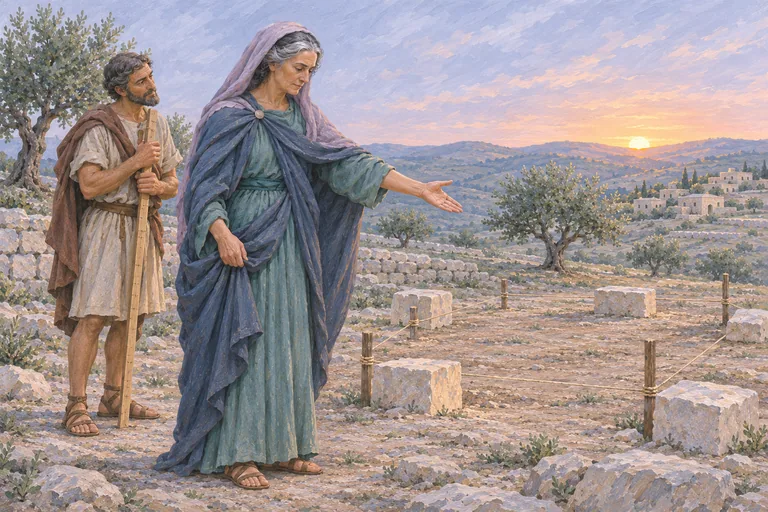
The Eastern and Western traditions of the Church remember Flavia Julia Helena as the soul of the search at the places of the Passion, death, and resurrection of Jesus. She oversaw the work in Jerusalem in the hope of finding the relics of the Passion of Christ. The same tradition remembers her as the discoverer of the Holy Cross, which is believed to have been found in 326, not far from Calvary.
In his catechesis on hope as an act of digging, Pope Leo XIV calls Helena a woman who searches and digs. An empress could have chosen the honors and pleasures of the court, but Helena chose Jerusalem, which lay on the periphery. The Pope suggests that perhaps Helena was able to understand the Cross because she had long carried her own cross.
The end of Helena's life
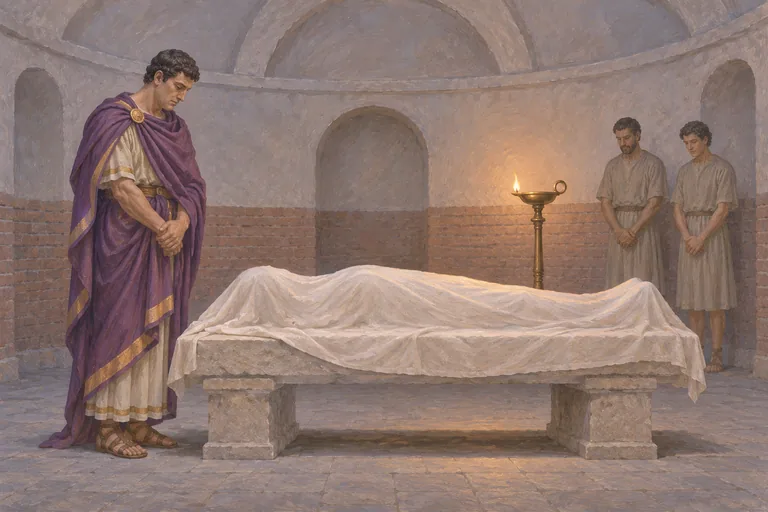
Helena died in 329 in an unknown place. Constantine brought his mother's body back to Rome. Helena was buried in a mausoleum named after her on the Via Labicana.
At a glance
- Remembered on
- 18 August Saints calendar
- Place of birth
- Probably Drepanum, Asia Minor, in the middle of the third century; the town was later named Helenopolis vaticannews.va
- Son
- Constantine, her only son, born sometime after the year 270 vaticannews.va
- Title
- Augusta, an honorary title from her son after he became emperor vaticannews.va
- Pilgrimage to the Holy Land
- Began in 326 vaticannews.va
- Death
- 329, in an unknown place; buried in a mausoleum on the Via Labicana, Rome vaticannews.va
- Commemoration
- August 18 in the Western Church vaticannews.va
Bring this story into your prayer.
Context & sources
St. Helena, Empress, closing paragraph; St. Helena, Empress, section 'Humble origins, marriage, and the birth of Constantine'; St. Helena, Empress, section 'Divorce and obscurity'; St. Helena, Empress, section 'Augusta, mother of the Emperor, humble protector of the poor'; St. Helena, Empress, opening paragraph; St. Helena, Empress, section 'The discovery of the True Cross'; St. Helena, Empress, section 'The discovery of the True Cross', final paragraph
Official holy-see source from vaticannews.va, supplied in the approved brief. Official website of the Dicastery for Communication; paraphrase and link. Research snapshot; rights and final paraphrase require human review.
Saint of the day, 18 August, page introduction; Saint of the day, 18 August, entry St. Helena, Empress
Official holy-see source from vaticannews.va, supplied in the approved brief. Official website of the Dicastery for Communication; paraphrase and link. Research snapshot; rights and final paraphrase require human review.
Catechesis of September 6, 2025, paragraph 'Helena was able to understand...'; Catechesis of September 6, 2025, paragraph 'Today I would like to remind you...'; Catechesis of September 6, 2025, Summary of the Holy Father's words
Official holy-see source from vatican.va, supplied in the approved brief. Official website of the Holy See; paraphrase and link, quotations within limits. Research snapshot; rights and final paraphrase require human review.
Custodia di Terra Santa, section 'St Helena and the finding of the Cross'
Official shrine source from custodia.org, supplied in the approved brief. Research snapshot; rights and final paraphrase require human review.
Free to copy and share. Please credit lightofsaints.com. Copyright